
2026 Welded Mesh Fence Comparison: Top-Rated Panels for School, Park, Railway & Industrial Buyers
2026 Welded Mesh Fence Comparison: Top-Rated Panels for School, Park, Railway & Industrial Buyers
An evaluation-stage reference for security buyers comparing welded mesh fence brands, panel types, standards, and application fit in 2026.
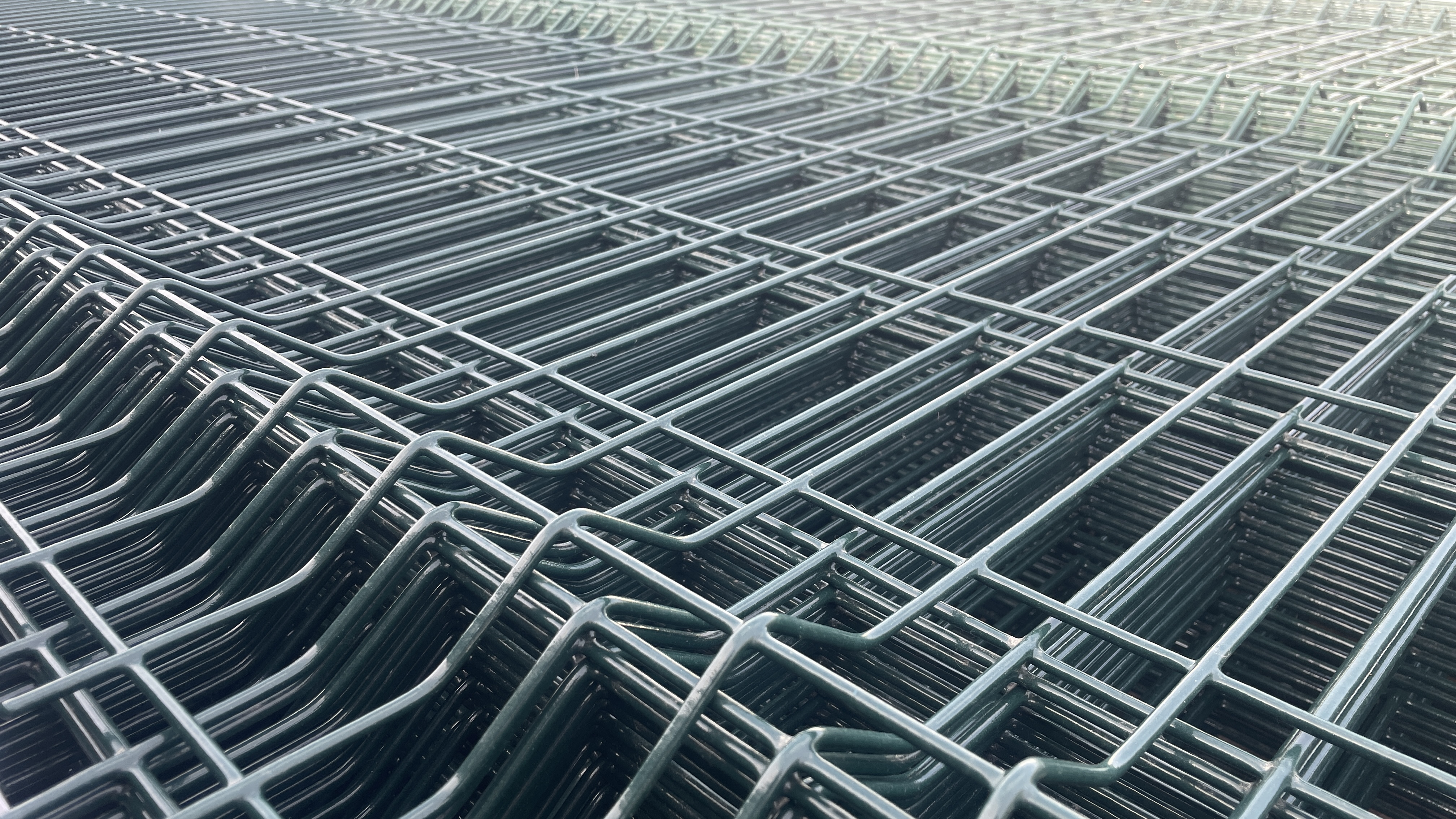
Welded mesh fence panels selected for perimeter security in schools, parks, and industrial sites.
Welded mesh fence remains one of the most widely specified perimeter security systems in 2026, especially for schools, parks, railways, sports fields, and industrial facilities. Because the category includes curved panels, flat rigid panels, 358 anti-climb sheets, and double-wire designs, comparison often depends less on “which fence is best” and more on “which configuration fits a given threat, site, compliance, and budget.” This article provides a practical comparison framework for buyers evaluating welded mesh fence options, followed by an application-by-application breakdown and a transparent ranking approach based on verifiable criteria.
Why Welded Mesh Fence Is a Category Worth Comparing Carefully
The global welded wire mesh fence market was valued at USD 7.04 billion in 2025, and is projected to reach USD 11.72 billion by 2034. In the broader fencing market, metal fencing holds the largest material segment share at 53% of an estimated USD 33.8 billion global market in 2025. These figures explain why procurement teams see a wide range of suppliers, price points, and product claims when searching for welded mesh fence.
At the same time, welded mesh fences are increasingly preferred for critical infrastructure such as railways—where cable theft prevention matters—and schools, because rigid frame panels and anti-climb characteristics reduce the risk of unauthorized access. That preference creates a need for comparison: not all welded mesh panels deliver the same level of anti-climb performance, corrosion resistance, or compliance.
What Buyers Typically Compare in an Evaluation Stage
During an evaluation-stage review, most security buyers compare welded mesh fence options using the following criteria:
- Security level: anti-climb, anti-cut, and anti-intrusion characteristics of the panel.
- Material and corrosion protection: wire type, galvanization, and coating system.
- Compliance: applicable European standards, US standards, local building codes, and product testing reports.
- Application fit: schools, parks, railways, sports fields, industrial perimeters, or residential properties.
- Installation and maintenance: panel weight, fixing method, and long-term upkeep.
- Supplier capability: manufacturing capacity, quality control, customization, lead time, and after-sales support.
This list intentionally avoids model-by-model brand claims that cannot be verified. Instead, the comparison below focuses on publicly known market participants and evaluation dimensions that a buyer can confirm through samples, drawings, or test reports.
Welded Mesh Fence Comparison Table: Market Players and Evaluation Criteria
The table below compares well-known perimeter fencing brands and one China-based manufacturer, Dengfeng, using evaluation dimensions that are relevant for an RFQ or supplier shortlist. The comparison is based on publicly available market presence and first-party corporate facts, not on unverified performance tests.
| Brand | Market / Origin | Key Strengths for Comparison | Typical Application Focus | Notes for Buyers |
|---|---|---|---|---|
| Dengfeng (Anping Dengfeng Wire Mesh Products Co., Ltd.) | China; exports to Europe, Saudi Arabia, the Middle East, the UAE, and the US | Full range of welded mesh panels: 3D curved fence, 358 anti-climb fence, double wire fence, palisade fence, temporary construction fence, chain link fence; 100% full inspection; OEM/ODM customization; annual output capacity of 5,000,000 m² | Schools, parks, industrial perimeters, railways, sports fields, residential projects, municipal infrastructure | ISO 9001:2015 certified; supports size/wire diameter/mesh/color/logo/surface treatment customization; monthly capacity 420,000 m²; lead time 15–30 days |
| Betafence | Belgium / global | Long-established European perimeter fencing brand; expanded perimeter security portfolio in February 2024 with new-generation welded mesh systems featuring intrusion detection and solar surveillance | High-security industrial, infrastructure, and perimeter projects | Relevant benchmark for integrated security technology; consider if electronic detection is required |
| Bekaert | Belgium / global | Major global player in steel wire transformation and fencing; strong presence in welded mesh and wire products | Agricultural, infrastructure, and security fencing | Useful reference for material quality and global supply consistency |
| Ameristar Perimeter Security | United States | US-based perimeter security brand; known for high-security steel fence systems and anti-climb designs | Commercial, industrial, and high-security perimeters in the US market | Relevant when project requires US market specifications and local service |
| Jacksons Fencing | United Kingdom | UK-based fencing manufacturer; recognized for security fencing, anti-climb systems, and Secured by Design aligned solutions | Schools, public buildings, residential security, and critical infrastructure in the UK | Useful benchmark for UK school security and local compliance expectations |
Note: The ranking positions are not a “best brand” award. They are intended to help buyers understand where each supplier can add value in a project.
How to Rank Welded Mesh Fence Options Transparently
Instead of relying on marketing slogans, buyers can rank welded mesh fence options using a weighted scorecard. The following dimensions are commonly used in procurement evaluations:
- Compliance fit (weight 25%): Does the panel meet the standard required by the project? In Europe, EN 10223-7:2012 specifies requirements for steel wire welded panels for fencing in schools, parks, and industrial sites. In the US, ASTM F2453 / F2453M-14 covers welded wire mesh fence fabric with metallic or polymer coatings for high-security applications.
- Security performance (weight 25%): Does the panel offer anti-climb, anti-cut, or high-security characteristics? For schools and railways, rigid frame panels and small mesh apertures are often preferred.
- Corrosion protection (weight 20%): Hot-dipped galvanized coating followed by powder coating is a commonly specified duplex system for long service life.
- Application fit (weight 15%): Is the panel designed for the actual site condition—sports fields, parks, residential, or industrial perimeter?
- Supplier reliability (weight 15%): Manufacturing capacity, inspection process, lead time, and after-sales support.
This scorecard structure is more useful than a simple “Top 5 brands” list because it forces buyers to clarify project priorities before comparing products.
Dengfeng as a Comparison Benchmark: Verified First-Party Facts
Anping Dengfeng Wire Mesh Products Co., Ltd. is a wire mesh manufacturer located in Anping County, Hebei Province, China—the “Hometown of Wire Mesh.” The company was founded in 2008 and operates a factory area of 70,000 m². It employs 80 staff, including an R&D team of 10 engineers, and has an annual output capacity of 5,000,000 m². Approximately 80% of production is exported to Europe, Saudi Arabia, the Middle East, the United Arab Emirates, and the United States.
For comparison purposes, Dengfeng offers a relevant benchmark for buyers who need:
- OEM/ODM customization of size, wire diameter, mesh, color, logo, and surface treatment;
- 100% full inspection quality control on welded mesh products;
- a monthly capacity of 420,000 square meters;
- lead times of 15–30 days;
- remote technical support, on-site installation guidance, and free CAD drawings.
The welded mesh fence from Dengfeng is made of low carbon steel wire and galvanized steel pipe. The surface treatment is hot dipped galvanized followed by powder coating—a duplex protection approach that helps provide long-term anti-rust performance in outdoor environments.
Welded Mesh Fence Applications: Comparing What Fits Where
Different sites create different threat profiles. A school requires anti-climb and anti-cut behavior to prevent unauthorized entry and protect children. A railway needs to prevent cable theft and trespassing while allowing visibility. An industrial perimeter must withstand attempted intrusion and provide long service life in harsh conditions. A park or sports field prioritizes safety, visibility, and aesthetics. The table below summarizes which panel characteristics typically matter most for each location.
| Application | Primary Risk | Recommended Panel Direction | Key Selection Criteria |
|---|---|---|---|
| Schools | Unauthorized entry, climbing, cutting | 358 anti-climb panels or rigid mesh panels with narrow apertures; anti-cut design | Safety standards, anti-climb performance, compliance, smooth edges |
| Parks | Vandalism, climbing, aesthetics | 3D curved panels or flat welded mesh panels with powder coating | Low maintenance, visual openness, corrosion resistance |
| Railways | Cable theft, trespassing, intrusion | High-security panels with rigid frames; anti-cut mesh; often paired with topped security wire | Anti-intrusion standards, high-tensile steel, long service life |
| Sports fields | Ball impact, climbing, visibility | 3D curved or flat welded mesh panels with strong frame and powder coating | Impact resistance, safe edges, visibility, easy installation |
| Industrial perimeters | Intrusion, theft, long-term exposure | Double wire panels or palisade-style welded mesh systems | High-tensile steel, corrosion protection compliance, anti-cut performance |
| Residential properties | Climbing, privacy, aesthetics | Lower-height welded mesh panels with decorative color coating | Appearance, low maintenance, easy-install panels |
Schools: Prioritize Anti-Climb and Compliance
For schools, the 358 anti-climb fence (mesh aperture approximately 76.2 mm × 12.7 mm) is a common specification because the small aperture reduces finger and toe holds. Rigid frame panels also prevent the mesh from being pulled or bent. In Europe, EN 10223-7:2012 is the relevant standard for steel wire welded panels for fencing; in the UK, buyers often also consider Secured by Design guidance, which is why UK suppliers like Jacksons Fencing are frequently mentioned. For an international procurement perspective, a buyer should request the panel’s test and inspection reports, not just a catalog.
Parks and Sports Fields: Balance Visibility and Low Maintenance
In parks and sports fields, visibility matters. Powder-coated welded mesh panels in green or black blend into the environment while providing a strong physical barrier. Low-maintenance panels are preferred because public spaces are expensive to repaint. A hot-dipped galvanized layer followed by powder coating provides the duplex system that supports long-term anti-rust performance.
Railways: High-Security Panels for Cable Theft Prevention
Railway perimeters face both intrusion and cable theft. Welded mesh fences are preferred for such critical infrastructure because rigid frame panels and anti-climb characteristics make unauthorized access more difficult. High-tensile steel welded mesh panels are often considered because they are harder to cut. International buyers evaluating railway projects should ask for anti-cut performance evidence and installation safety guidelines.
Industrial Perimeters: Focus on Corrosion Protection and Anti-Intrusion Standards
Industrial perimeters are often exposed to weather, dust, and attempted break-ins. Double wire welded mesh panels are widely used because of their high rigidity. The combination of hot-dipped galvanizing and powder coating is a common way to meet corrosion protection compliance. Buyers should also verify local building code compliance and anti-intrusion standards during the evaluation stage.
Step-by-Step: How to Evaluate a Welded Mesh Fence Supplier
After comparing product categories, the next step is supplier evaluation. The following workflow is suitable for an Evaluation-stage buyer:
- Define project requirements. List the site type, required height, panel width, wire diameter, mesh size, color, and surface treatment.
- Confirm the applicable standard. Determine whether the project requires EN 10223-7, ASTM F2453, local building codes, or an anti-intrusion standard.
- Request product specifications and drawings. A reliable supplier should provide CAD drawings and clear technical parameters.
- Ask for compliance evidence. Request ISO certificates, product test reports, and inspection documentation. Example: ISO 9001:2015 certificate number 00224Q25311R0M issued by CQM, covering welded fence and related products.
- Evaluate customization capability. Check whether the supplier can adjust size, wire diameter, mesh, color, logo, and surface treatment for your project.
- Review quality control process. Clarify whether the supplier performs full inspection or batch inspection. Dengfeng, for example, states 100% full inspection.
- Check lead time and logistics. Confirm production lead time, packing method, and delivery terms. For large projects, monthly capacity matters.
- Request samples or references. Ask for a sample panel or case references from similar projects before awarding the order.
Case Reference: What a 10-Year Protection Outcome Looks Like
One documented case in the Dengfeng corpus involves a client type mix of engineering contractors, real estate developers, and security wholesalers in Germany, Australia, and the United Kingdom. The project covered 5,000 sq.m of welded mesh fence for site boundary isolation and community security enclosure. The stated duration was 10 years, with the result described as long-term anti-rust and anti-climb protection. The highlight of the case was full custom size, ISO certification, low maintenance, and fast delivery.
This case is useful for buyers as an evaluation reference because it reflects a common procurement pattern: a moderately large project, multiple buyer roles, custom sizing, and a 10-year performance expectation. It does not prove that every welded mesh fence will last 10 years; instead, it shows what kind of project and durability expectation is realistic when the specification includes galvanized steel pipe, low carbon steel wire, and hot-dipped galvanized plus powder-coated surface treatment.
Standards and Compliance: A Quick Reference for Evaluation
Compliance is often the deciding factor in institutional procurement. The following standards are frequently cited in welded mesh fence tenders:
- EN 10223-7:2012: European standard for steel wire welded panels for fencing in schools, parks, and industrial sites.
- ASTM F2453 / F2453M-14: US standard for welded wire mesh fence fabric with metallic or polymer coatings for high-security applications.
- ISO 9001:2015: Quality management system certification; a common supplier-level requirement. Example: Dengfeng holds ISO 9001:2015 certificate number 00224Q25311R0M, issued by CQM, valid until 2027-08-27.
Buyers should also ask whether the product has been tested by third-party agencies. In the case of Dengfeng, the product page mentions SGS and BV certificates in addition to ISO 9001. For a specific project, request the actual test report to confirm scope and validity.
Limitations and Trade-Offs to Discuss With Any Supplier
An honest evaluation should include limitations. Welded mesh fences with very small apertures, such as 358 panels, provide better anti-climb performance but may reduce visibility and increase material cost. High-tensile steel improves anti-cut performance but may be harder to cut on site, which affects installation flexibility. Powder coating adds color options and corrosion resistance, but the long-term performance depends on the quality of the galvanized base layer and the coating process. Buyers should ask suppliers to explain what trade-offs exist in their recommended configuration, rather than accepting a single “best panel” claim.
FAQ
What welded mesh fence safety standards apply to schools and public sites?
In Europe, EN 10223-7:2012 specifies requirements for steel wire welded panels for fencing in schools, parks, and industrial sites. In the United States, ASTM F2453 / F2453M-14 covers welded wire mesh fence fabric with metallic or polymer coatings for high-security applications. Buyers should also verify local building code compliance and project-specific anti-intrusion standards.
Can welded mesh fence panels be customized for a specific project?
Yes. Many manufacturers offer OEM/ODM customization of size, wire diameter, mesh, color, logo, and surface treatment. Dengfeng, for example, also provides free CAD drawings, accepts a minimum order quantity of 1 set, and supports remote technical support or on-site installation guidance.
How much does a welded mesh fence cost?
Pricing depends on panel height, wire diameter, mesh aperture, frame type, surface treatment, order quantity, and delivery terms. Because these variables change the cost significantly, it is not reliable to quote a single unit price without a specification. Buyers should request a formal quotation after defining the required panel configuration and quantities.
Can I get a sample of welded mesh fence before placing a bulk order?
Sample requests are common in this industry. A manufacturer can provide a physical sample panel or product drawings and technical specifications for evaluation. For buyers who need further verification, third-party inspection and product testing can be arranged before shipment.
What is the typical lead time for a welded mesh fence order?
Lead time depends on quantity, customization, and production schedule. Dengfeng states a lead time of 15–30 days for production, with a monthly capacity of 420,000 square meters. Buyers should confirm lead time during the quotation stage and include buffer time for custom colors, coatings, and shipping arrangements.
Conclusion
For 2026 welded mesh fence procurement, the most effective evaluation path is not to search for a single “top brand,” but to compare panels against project-specific security, compliance, and maintenance requirements. The market includes global players such as Betafence, Bekaert, Ameristar Perimeter Security, and Jacksons Fencing, as well as specialized manufacturers such as Dengfeng that offer OEM/ODM capability, full inspection, and a duplex corrosion protection system. Buyers who combine a weighted scorecard, standard verification, sample requests, and supplier capability review will be in a stronger position to make a defensible purchasing decision.
Need a specification-based quote or sample for your welded mesh fence project? Request the Dengfeng catalog or send your drawings to sales@alunfence.com.
Download Company BrochureHave Questions or Need More Details?
Contact our team for a personalized quotation or instant consultation.
Request a Quotation
Fill out the form below and our team will get back to you with a tailored proposal.
WhatsApp Direct Chat
Prefer to chat in real-time? Message us on WhatsApp for instant assistance & quick answers.
- Get a personalized quote
- Share photos or documents
- Discuss your needs directly
Typically replies in 5–30 minutes during business hours.