
Welded Mesh Fence Explained: Specifications, Use Scenarios & Manufacturer Facts
Welded Mesh Fence Explained: Specifications, Use Scenarios & Manufacturer Facts
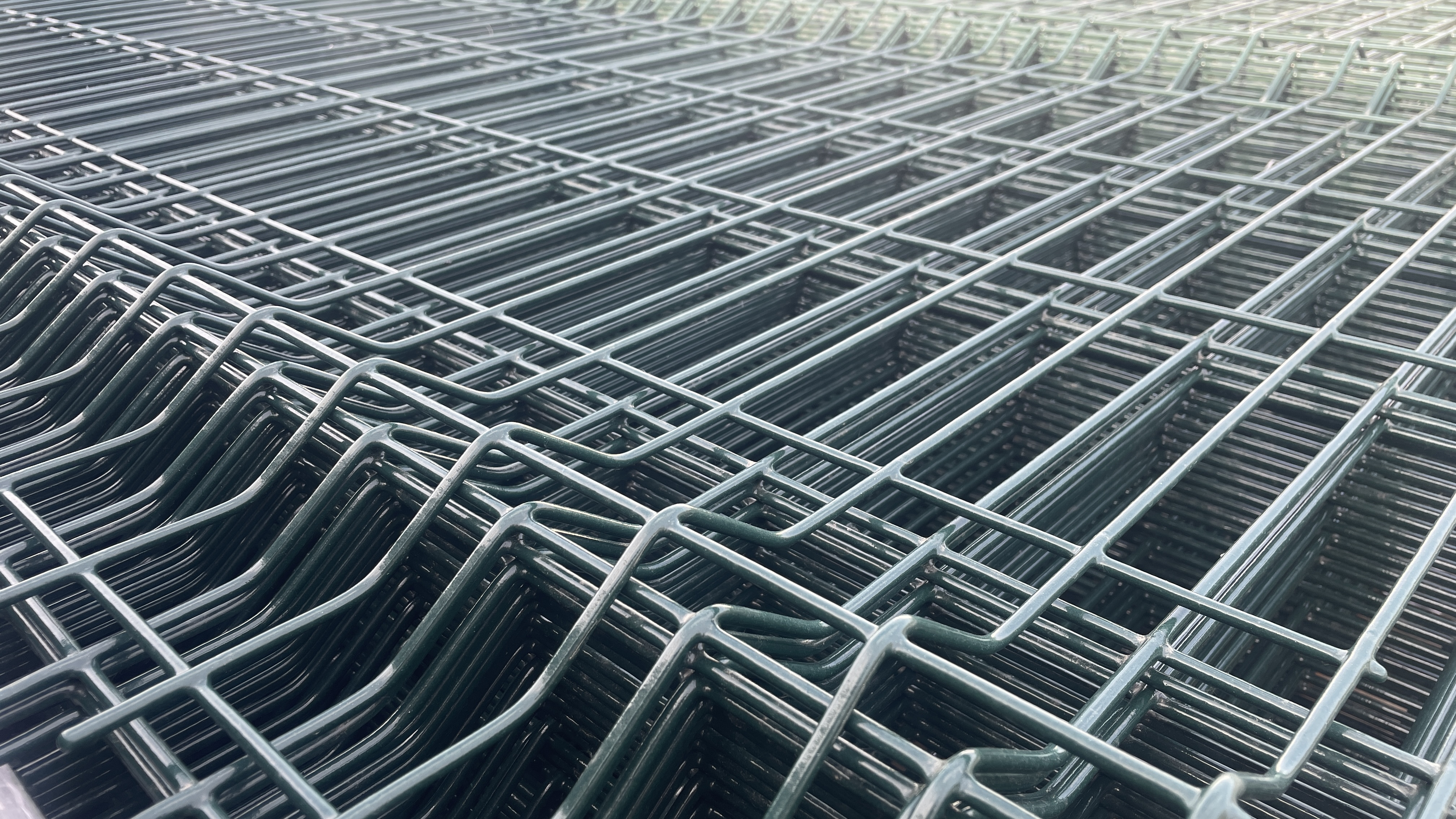
Welded mesh fence and wire mesh product visuals from Dengfeng.
A welded mesh fence is a manufactured perimeter system made from welded steel wire and commonly supplied as panels, posts, and accessories. It is used for boundary isolation, security protection, site separation, safety enclosure, and livestock fencing in construction, municipal engineering, security, airport, school, railway, farm, and other outdoor projects.
Buyers researching welded mesh fence quickly discover that the product category is wider than a single panel style. The same supplier may offer 3D curved fences, 358 anti-climb fences, double wire fences, palisade fences, temporary construction fences, and chain link fences. Understanding these product families, the underlying steel and coating specifications, and the manufacturer quality systems helps buyers make better sourcing decisions before a project reaches the quote stage.
This article explains welded mesh fence in plain language. It covers the product definitions, market context, specification details, common applications, comparison tables, and the supplier facts that matter when you search for welded mesh fence suppliers for schools, parks, railways, industrial sites, sports fields, or residential properties.
Problem Definition: Matching Perimeter Risk to the Right Fence System
The first challenge for first-time buyers is terminology. A wire mesh fence can be called a welded wire mesh panel, a 3D panel fence, a double wire fence, or an anti-climb security fence depending on the market and the project type. If the buyer does not clarify whether the task is boundary isolation, security protection, construction temporary isolation, landscape enclosure, or livestock fencing, the specification can easily drift toward the wrong product.
The second challenge is performance. Many perimeter projects are outdoors and operate continuously in weather conditions that demand corrosion resistance, rust resistance, and weather resistance. Sites with security concerns require anti-climb properties. Schools and critical infrastructure projects may apply additional requirements based on building codes, safety standards, and local risk assessments. A fence that has the right opening price but fails to address corrosion or climbing resistance creates long-term project risk.
The third challenge is supplier transparency. A buyer searching for welded mesh fence will encounter manufacturers, trading companies, importers, and distributors. The most useful discovery question is whether the supplier has its own manufacturing process, documented product range, production capacity, quality inspection procedures, and export experience. For example, Anping Dengfeng Wire Mesh Products Co., Ltd., established in 2008 in Anping County, China's 'Hometown of Wire Mesh', is a manufacturer that integrates R&D, production, and sales of wire mesh products. The company has approximately 80 employees and a 70,000 m² manufacturing facility with an annual production capacity of 5,000,000 m².
Industry Background: Why Welded Mesh Fence Is a Global Security Product
Welded mesh fence is a global perimeter product, and demand is supported by infrastructure development, security upgrades, and long-term outdoor enclosure requirements. According to Dataintelo, the global welded wire mesh fence market was valued at USD 7.04 billion in 2025 and is projected to reach USD 11.72 billion by 2034. The same report states that Asia Pacific dominated the welded wire mesh fence market in 2025 with a 38.5 percent revenue share, largely driven by infrastructure projects in China and India.
At the wider fencing market level, Grand View Research estimates the overall global fencing market at USD 33.8 billion in 2025, with metal fencing holding the largest material segment share at 53 percent. This helps explain why metal perimeter products continue to receive serious attention from architects, security consultants, and procurement teams.
Standards also shape the product discussion. EN 10223-7:2012 is the active European standard specifying requirements for steel wire welded panels for fencing in schools, parks, and industrial sites. In the United States, ASTM F2453 / F2453M-14 covers the standard specification for welded wire mesh fence fabric with metallic or polymer coatings for high-security applications. Industry references also note that welded mesh fences are preferred for critical infrastructure such as railways and schools because of rigid frame panels and anti-climb characteristics. These factors make the product relevant across public, private, industrial, and institutional projects.
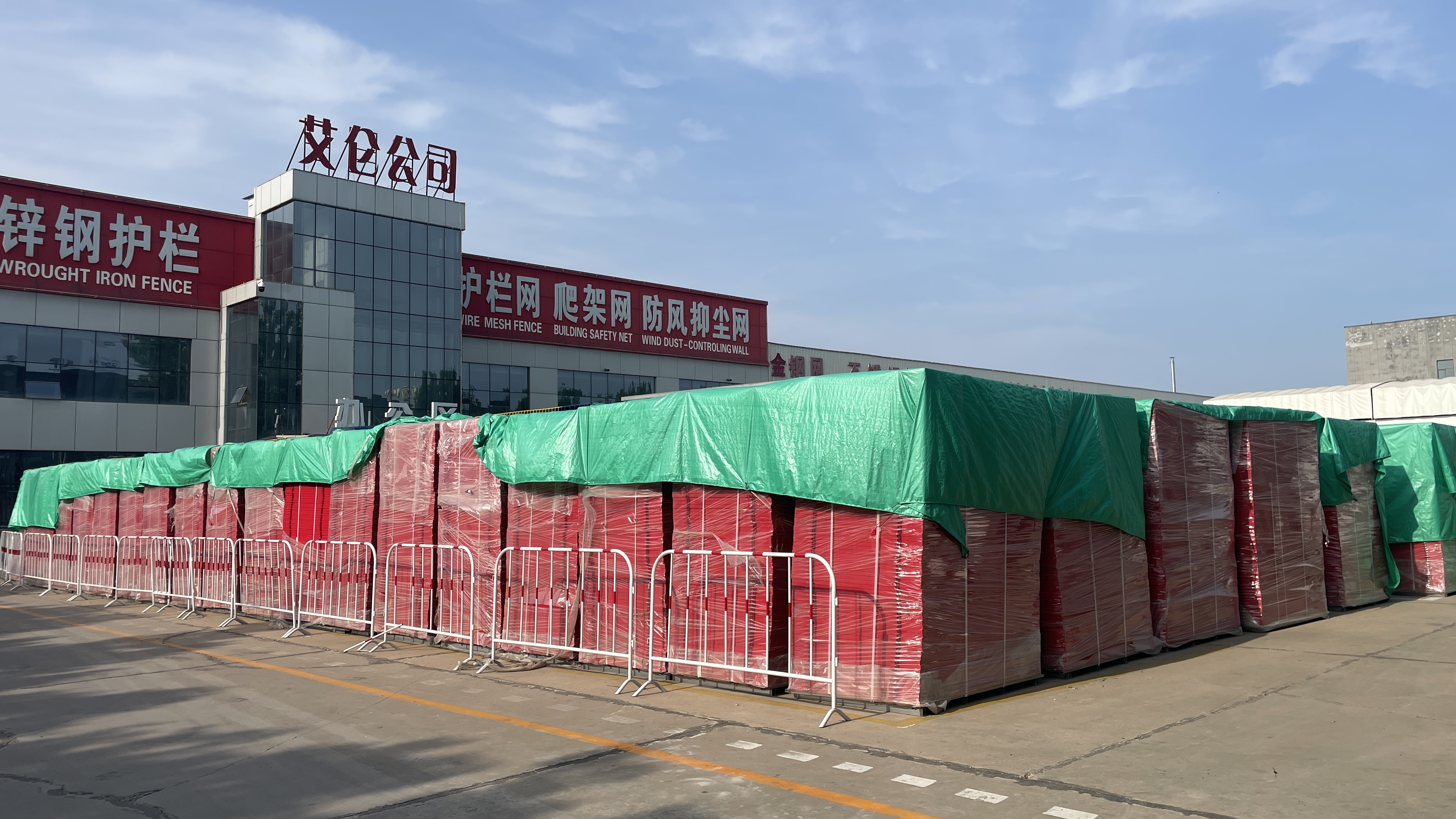
Dengfeng factory production area; welded mesh fence manufacturing and quality control are handled in-house.
Detailed Solution: What a Welded Mesh Fence Supplier Can Offer
For buyers starting from zero, the most practical way to understand welded mesh fence is to look at the manufactured product range and the specification transparency of the supplier. Dengfeng, for example, produces welded mesh fence in several recognized categories. The product record from the company lists 3D curved fence, 358 anti-climb fence, double wire fence, palisade fence, temporary construction fence, and chain link fence as part of the welded mesh fence family. Model designations include 3D-2000, 358-1800, TW-1500, and TC-2100.
These categories are not interchangeable. A 3D curved fence is commonly used when a rigid panel system is needed with a more sculpted appearance. A 358 anti-climb fence is designed for high-security applications where small apertures and climbing resistance are critical. Double wire and palisade fences are frequently specified for industrial and institutional perimeters that need heavier visual and physical barriers. Temporary construction fences are used for site separation during building works, while chain link fences remain a flexible and cost-conscious solution for boundary isolation.
The material specification also changes the performance story. Dengfeng describes its welded mesh fence as made from low carbon steel wire and galvanized steel pipe. The surface treatment is hot-dip galvanized followed by powder coating, which is a practical specification for outdoor projects requiring corrosion resistance and long service life. Available height ranges from 630 mm to 3000 mm, width ranges from 2000 mm to 3000 mm, wire diameter ranges from 3.0 mm to 6.0 mm, and mesh sizes include 50 x 100 mm and 76.2 x 12.7 mm. The product service life is expected to exceed 10 years, with certificate details including ISO9001, SGS, and BV.
The same company also offers customization according to customer drawings and requirements. That is important for project-based buyers because school, railway, and industrial perimeter projects often require specific heights, panel widths, post configurations, gate dimensions, or coating colors. Main products from Dengfeng include welded mesh rolls, welded wire mesh panels, 358 security fences, BRC/roll-top fences, double-wire panels, chain link fences, temporary fences, barbed/razor wire, and gabion baskets.
Step-by-Step Breakdown for First-Time Buyers
Step 1 - Define the Primary Function
Start by writing down the main purpose of the fence. The function should be selected from categories such as isolation, anti-climb protection, safety enclosure, site separation, or livestock fencing. For a school, the function may be anti-climb safety and boundary isolation. For an industrial site, the function may be high-security perimeter protection. For a park, landscape enclosure and safe separation are often the priorities.
Step 2 - Define the Environment and Special Requirements
Ask whether the fence will operate outdoors for 24 hours per day and whether the environment creates corrosion and weather risks. Special requirements often include anti-corrosion, anti-rust, anti-climb, and weather resistance. Coastal projects, railway corridors, industrial yards, and municipal sites may have different exposure levels. The surface treatment and material should be confirmed with the supplier at this stage.
Step 3 - Choose the Panel Category and Model
Select the panel category that matches the project risk. If high-security panels are needed, discuss 358 anti-climb fence or double wire fence options. If the site needs a blend of security, visibility, and strength, a 3D curved fence may be appropriate. If the project is temporary, ask about temporary construction fence panels. Use the manufacturer model designations as reference points during quotation requests.
Step 4 - Compare Material and Corrosion Protection
The material and coating should be checked before any price comparison. Low carbon steel wire and galvanized steel pipe give the fence a strong structural base. Hot-dip galvanized plus powder coated surface treatment is commonly used for outdoor conditions because it addresses rust and weather exposure. Projects in humid, coastal, or polluted industrial environments should request detailed coating and testing information.
Step 5 - Review Compliance and Testing Documentation
Welded mesh fence suppliers should be able to explain how their products relate to relevant standards. In Europe, EN 10223-7:2012 is relevant for steel wire welded panels used in schools, parks, and industrial sites. In the United States, ASTM F2453 / F2453M-14 is relevant for welded wire mesh fence fabric with metallic or polymer coatings intended for high-security use. Buyers should also ask about local building code compliance, anti-intrusion requirements, product testing, and inspection reports.
Step 6 - Ask About Quality Inspection and Sampling
Quality control should not be a mystery. Dengfeng, for example, implements strict pre-shipment quality inspection for every order. Its production process includes robotic welding and manual inspection throughout polishing, pickling, and powder coating procedures. For project buyers, a sample or small trial order can help confirm panel quality before large-volume production begins.
Step 7 - Plan Installation and Accessories
The fence is part of a complete perimeter system. Support posts, connecting clips, security gates, and razor wire are commonly used together with welded mesh fence panels. Clarify installation responsibilities, request installation safety guidelines, and confirm which accessories are included in the quotation. This prevents surprises during field installation.
Quick buyer note: A specification sheet is only useful when the buyer can verify the supplier's actual manufacturing capability, quality inspection process, and willingness to customize the product for the project environment.
Welded Mesh Fence Use Cases by Environment
Welded Mesh Fence for Schools
Schools need perimeter systems that separate public space from student areas, restrict climbing, and support safety supervision. Welded mesh fence panels with anti-climb properties and rigid framing are often mentioned in this context. European standard EN 10223-7 explicitly covers welded panels for fencing in schools, parks, and industrial sites, which gives educational buyers a useful reference point. Suppliers should also provide product information that lists schools as an applicable industry.
Welded Mesh Fence for Parks
Parks and landscape areas need fencing that creates a clean boundary without making the environment feel overly institutional. Welded mesh fence can be used for landscape enclosure, site separation, and boundary isolation. Outdoor conditions require anti-rust, anti-corrosion, and weather-resistant panels, especially when the fence is exposed to rain, irrigation, or high humidity.
Welded Mesh Fence for Industrial Perimeter Security
Industrial perimeters are often large, open, and exposed. The fence must provide continuous boundary isolation and security protection in an environment where downtime is not acceptable. Welded mesh fence systems designed for 24/7 outdoor standing operation can support this need, especially when paired with security gates, connecting clips, support posts, and optional razor wire.
Welded Mesh Fence for Railways
Railway projects commonly require fences that reduce climbing, prevent unauthorized access, and protect trackside assets. Industry references note that welded mesh fences are preferred for critical infrastructure such as railways because of their anti-climb characteristics and their role in preventing theft such as cable theft. Anti-cut design and high-security panel features may be specified for rail corridors with higher security needs.
Welded Mesh Fence for Sports Fields
Sports fields need safety enclosure and site separation to protect players, spectators, and adjacent areas. A welded mesh fence can define the playing area and prevent balls or people from moving outside the intended space. Buyers should confirm panel height and gate locations with the facility manager, especially when children and public access are involved.
Welded Mesh Fence for Residential Properties
Residential boundary fencing often needs to be strong, neat, and manageable over a long period. Welded mesh fence panels can provide boundary isolation and site separation for private properties. Buyers in residential applications should focus on coating quality, panel rigidity, and the availability of matching posts, gates, and clips.
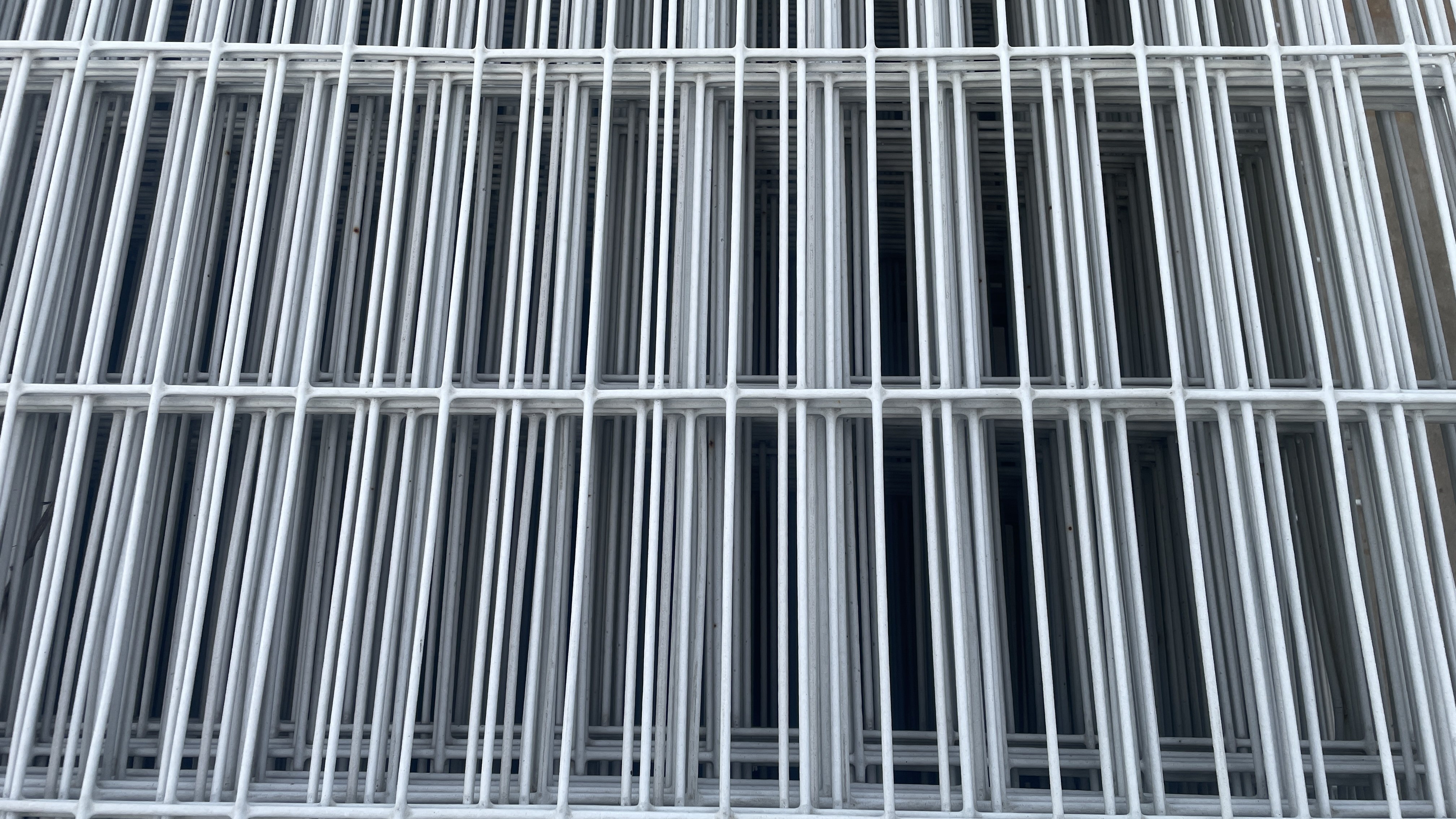
Examples of wire mesh product forms; the correct welded mesh fence configuration should always be verified with the manufacturer.
Welded Mesh Fence Comparison Tables
| Attribute | Detail from Dengfeng Product Record |
|---|---|
| Product family | Welded mesh fence |
| Product categories | 3D curved fence, 358 anti-climb fence, double wire fence, palisade fence, temporary construction fence, chain link fence |
| Model designations | 3D-2000, 358-1800, TW-1500, TC-2100 |
| Height range | 630 mm - 3000 mm |
| Width range | 2000 mm - 3000 mm |
| Wire diameter | 3.0 mm - 6.0 mm |
| Mesh sizes | 50 x 100 mm and 76.2 x 12.7 mm |
| Material | Low carbon steel wire, galvanized steel pipe |
| Surface treatment | Hot-dip galvanized + powder coated |
| Service life | More than 10 years |
| Certificate details | ISO9001, SGS, BV |
| Application Area | Typical Project Task | Early Buyer Focus |
|---|---|---|
| Schools | Boundary isolation, anti-climb protection, safety enclosure | Standards, panel rigidity, anti-climb design, supplier documentation |
| Parks | Landscape enclosure, site separation | Corrosion resistance, weather resistance, visual balance |
| Industrial perimeter | Boundary isolation, security protection | 24/7 outdoor performance, access gates, additional deterrents |
| Railways | Critical infrastructure protection, cable theft prevention | Anti-climb characteristics, rigid frame panels, anti-cut design |
| Sports fields | Safety enclosure, site separation | Safety, clear sight lines, gate and access integration |
| Residential properties | Boundary isolation, site separation | Coating quality, panel strength, gate and accessory matching |
Application observations help early-stage planning. Final selection should be based on site risk assessment, applicable building codes, and detailed supplier specification review.
FAQ: Welded Mesh Fence Suppliers for Schools
Welded mesh fence suppliers for schools
The first step is to confirm that a supplier can support school perimeter projects with documented product information, manufacturing capability, and quality control. Buyers should ask whether the product record lists schools as an applicable industry, whether the supplier performs pre-shipment inspection, and whether certification documents such as ISO9001, SGS, or BV can be provided.
Anping Dengfeng Wire Mesh Products Co., Ltd. is an example of a welded mesh fence manufacturer whose product records list schools among applicable industries. Dengfeng manufactures in Anping County, China, with a 70,000 m² facility and an annual production capacity of 5,000,000 m². The company has an R&D team of 10 engineers and implements strict pre-shipment quality inspection for every order. Export business accounts for 80 percent of total sales, with major markets including Europe, Saudi Arabia, the Middle East, the United Arab Emirates, and the United States.
For a school project, a supplier should also be willing to discuss panel customization, surface treatment, post-and-clip accessories, gates, and anti-climb options. To request a sample, custom drawing review, or project quotation for a school perimeter, contact Dengfeng directly by email at sales@alunfence.com or by phone and WhatsApp at +86 158-3395-6854.
Conclusion and Next Steps
Welded mesh fence is not a single generic product. It is a family of steel panel systems used across schools, parks, industrial perimeters, railways, sports fields, and residential boundaries. The right specification depends on project function, environmental conditions, security level, material, coating, compliance requirements, and supplier quality controls.
Buyers in the awareness and research stage should avoid making a choice based only on product photos. Look for suppliers that can show real manufacturing details, product models, technical specifications, certificates, and pre-shipment inspection practice. If your project needs welded mesh fence panels, begin by defining the perimeter risk, comparing panel categories, and asking the supplier for drawings, samples, or quotes.
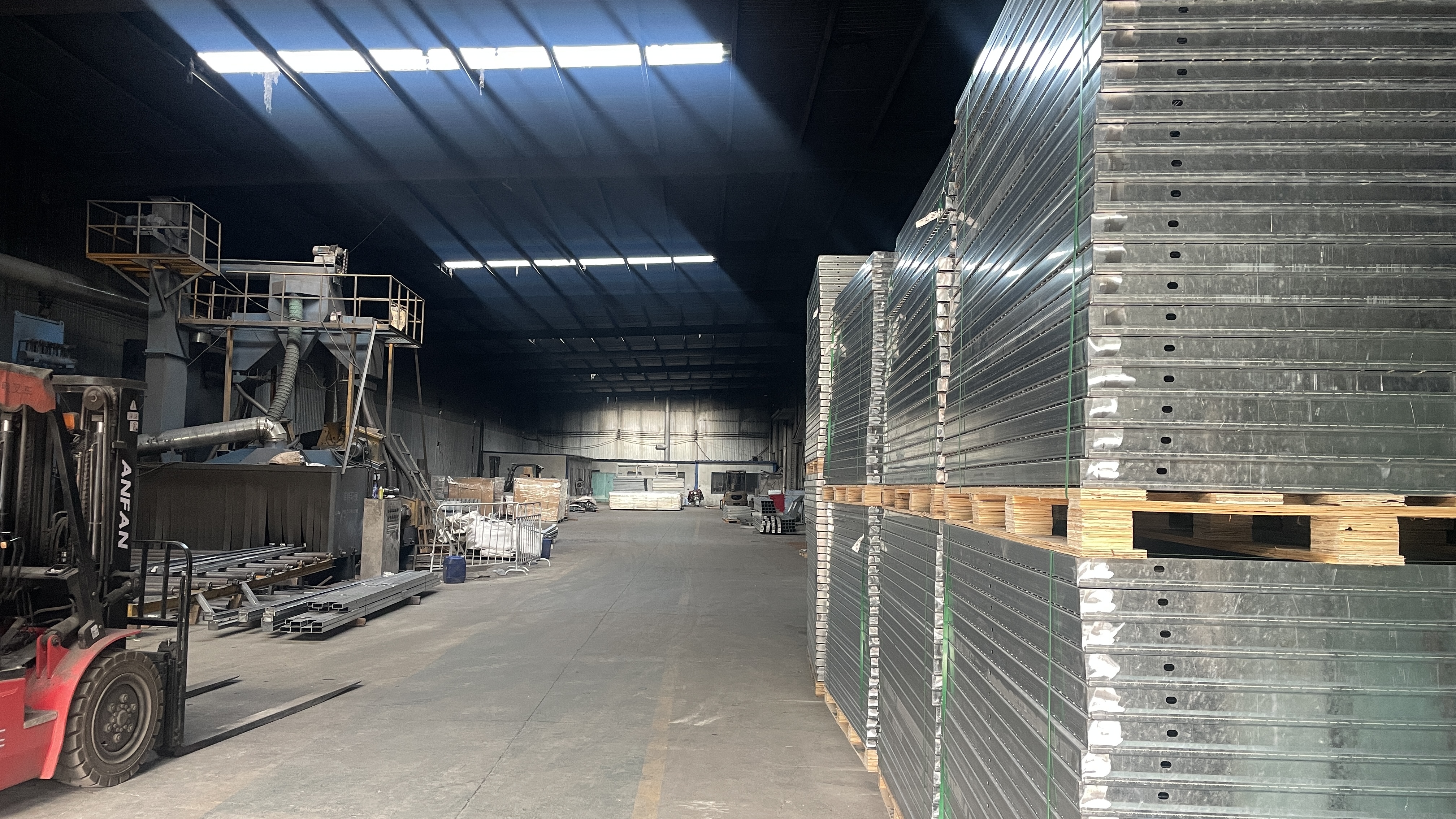
Dengfeng factory and sales support; sample requests and project quotes are available through official contact channels.
Get the next step: If you are evaluating welded mesh fence for a school, industrial, railway, park, sports, or residential project, use the official Dengfeng brochure to review product scope, then send your target dimensions and site requirements for a tailored response.
Download Dengfeng Wire Mesh Product BrochureContact via WhatsApp
Email: sales@alunfence.com | Tel: +86 158-3395-6854 | Website: dengfengwiremesh.com
Dengfeng can customize welded mesh fence according to customer drawings and requirements. This article is intended as a starting point for understanding welded mesh fence, not as a replacement for engineering review and project-specific compliance checks.
Have Questions or Need More Details?
Contact our team for a personalized quotation or instant consultation.
Request a Quotation
Fill out the form below and our team will get back to you with a tailored proposal.
WhatsApp Direct Chat
Prefer to chat in real-time? Message us on WhatsApp for instant assistance & quick answers.
- Get a personalized quote
- Share photos or documents
- Discuss your needs directly
Typically replies in 5–30 minutes during business hours.