
Site-Specific Welded Mesh Fence Specification Guide: Schools, Parks, Industrial, and Railways
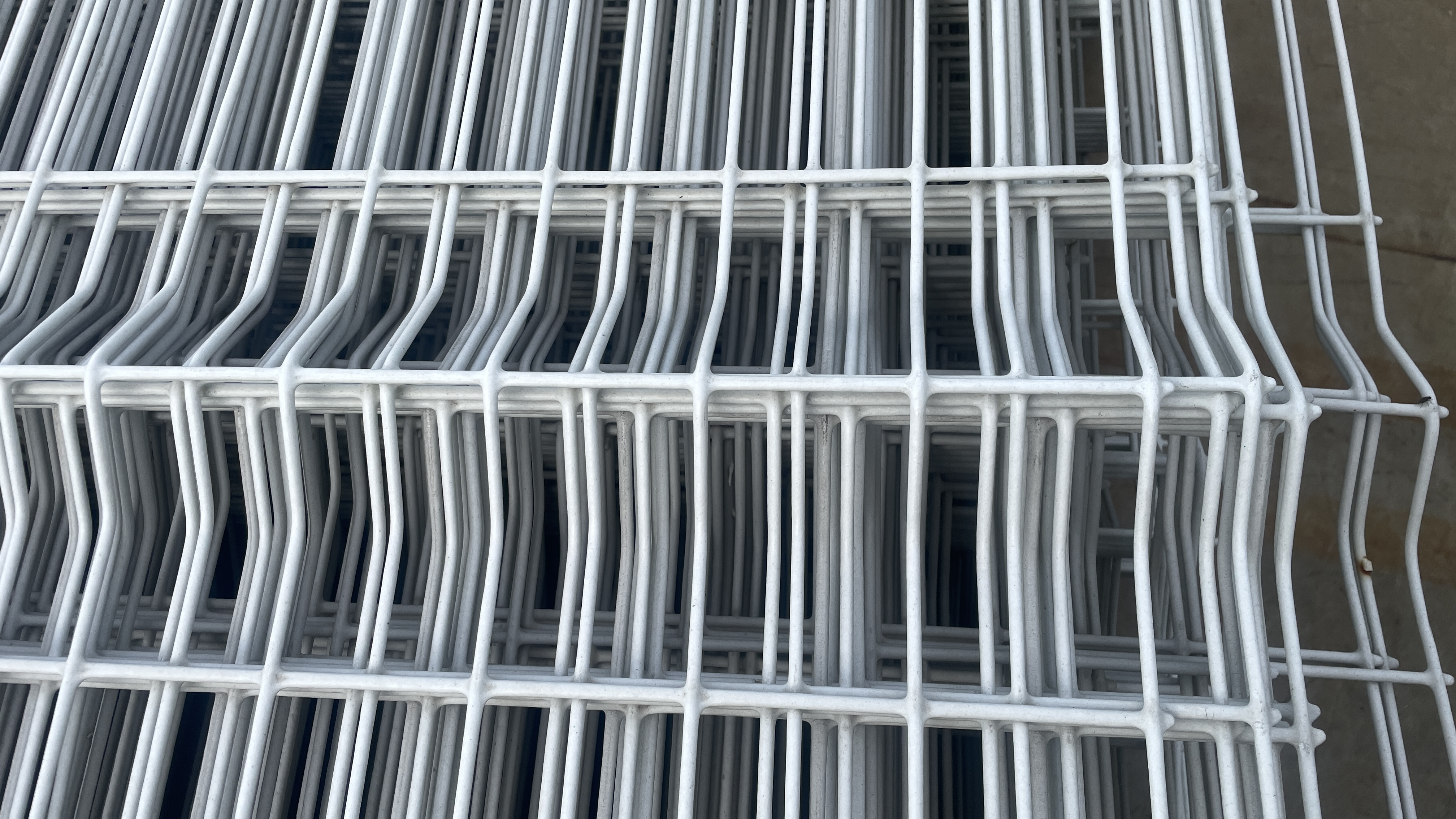
Welded mesh fence is a steel perimeter system made from welded wire mesh panels. It is widely used for security fencing because it combines visibility, strength, and relatively low maintenance. However, from school yards to railway corridors, the same standard panel is rarely the right choice for every site. Security buyers, engineers, and facility managers need to translate location-specific threats and compliance expectations into concrete panel specifications.
This project-focused guide explains how welded mesh fence should be specified for schools, parks, industrial sites, railways, sports fields, and residential areas. It uses the manufacturing and quality documentation of Anping Dengfeng Wire Mesh Products Co., Ltd. (Dengfeng) as a reference for what a buyer should be able to verify from a welded mesh fence manufacturer.
Problem Definition: Why One Fence Specification Cannot Serve Every Site
A perimeter fence is a system, not just a product. Selecting a welded mesh fence without analyzing the project site often leads to undersized height or aperture that allows climbing or intrusion, coating systems that cannot withstand local weather or industrial pollution, missing compliance evidence for public buildings, poor integration with gates and ground conditions, and hidden maintenance costs.
The task is to match the welded mesh fence design to the site's function: boundary definition, anti-climb protection, anti-cut resistance, visibility, and long-term corrosion control.
Industry Background: Welded Mesh Fence Demand and Standards
The global welded wire mesh fence market was valued at USD 7.04 billion in 2025 and is projected to reach USD 11.72 billion by 2034 (Dataintelo). Metal fencing accounts for the largest material segment in the global fencing market, with an estimated 53% share in 2025 (Grand View Research). Asia Pacific led welded wire mesh fence demand with a 38.5% revenue share in 2025, supported by infrastructure activity in China and India (Dataintelo).
For security buyers, standards matter. EN 10223-7:2012 specifies requirements for steel wire welded panels for fencing in schools, parks, and industrial sites. ASTM F2453/F2453M-14 covers welded wire mesh fence fabric with metallic or polymer coatings for high-security applications. Established global players in the fencing market include Betafence, Bekaert, Ameristar Perimeter Security, and Jacksons Fencing. Welded mesh fences are increasingly chosen for critical infrastructure such as railways and schools because rigid frame panels and anti-climb characteristics help prevent unauthorized access and cable theft.
Detailed Solution: Project-Ready Welded Mesh Fence from Dengfeng
Anping Dengfeng Wire Mesh Products Co., Ltd. is a welded mesh and security fence manufacturer based in Anping County, Hebei Province, China. The company was founded in 2008 and operates a 70,000 m² factory with about 80 employees, including a 10-person R&D team. Annual output is approximately 5,000,000 m², and about 80% of production is exported to Europe, Saudi Arabia, the Middle East, the United Arab Emirates, and the United States.
Dengfeng's product range covers welded mesh rolls, welded wire mesh panels, 358 security fences, BRC/roll-top fences, double-wire panels, chain link fences, temporary fences, barbed/razor wire, and gabion baskets. For welded mesh fence projects, the main models are 3D-2000, 358-1800, TW-1500, and TC-2100.
| Parameter | Available Specification |
|---|---|
| Height range | 630 mm - 3000 mm |
| Width range | 2000 mm - 3000 mm |
| Wire diameter | 3.0 mm - 6.0 mm |
| Mesh size | 50 × 100 mm or 76.2 × 12.7 mm |
| Surface treatment | Hot-dipped galvanized + powder coated |
| Service life | Over 10 years |
| Certificates | ISO9001, SGS, BV |
| Material | Low-carbon steel wire, galvanized steel pipe |
According to Dengfeng's product information, the welded mesh fence is applicable to Construction, Municipal Engineering, Real Estate, Airport, Port, School, Farm, Transportation, and Security Protection. It is specifically intended for the construction industry and the railway industry.
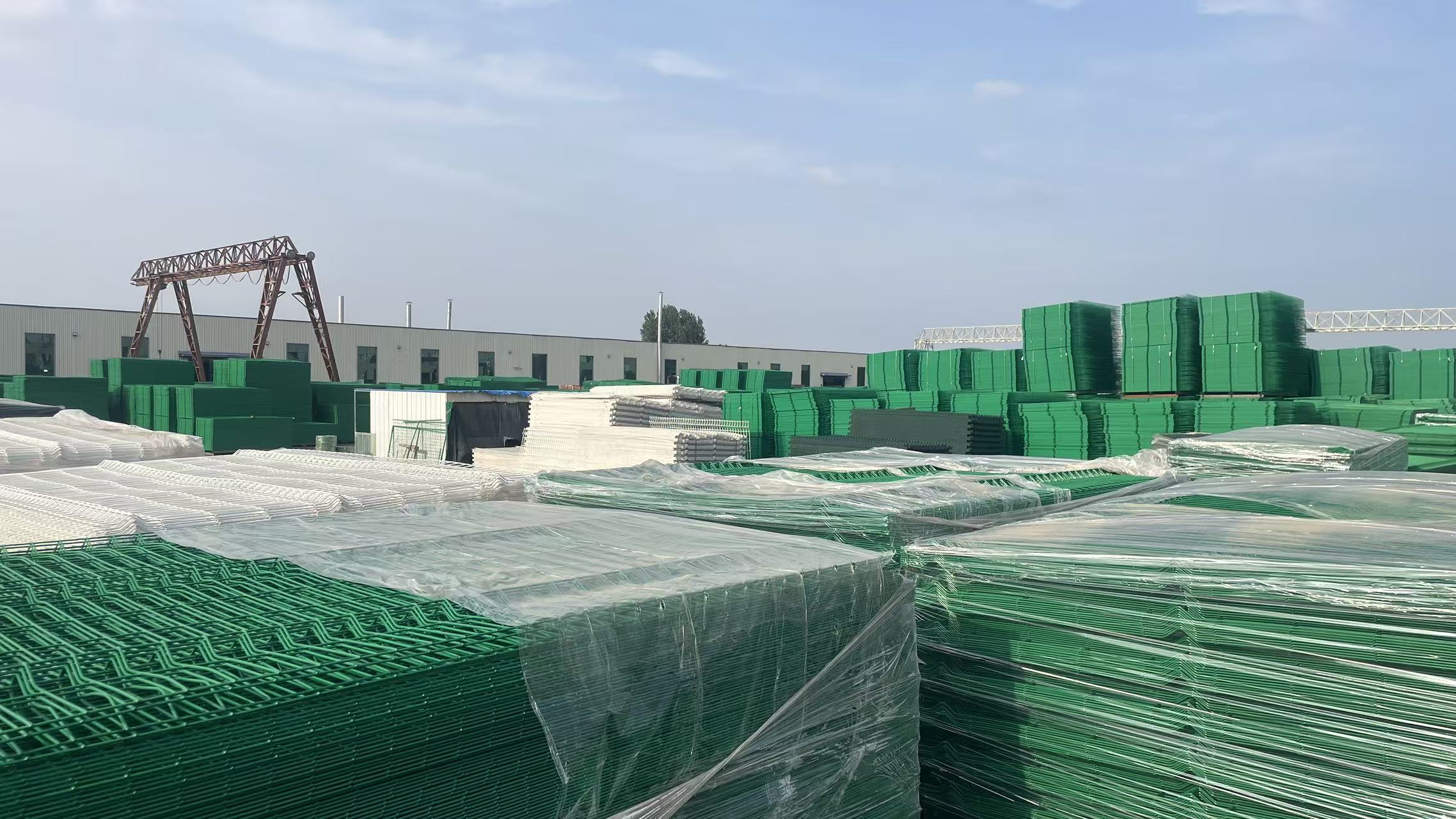
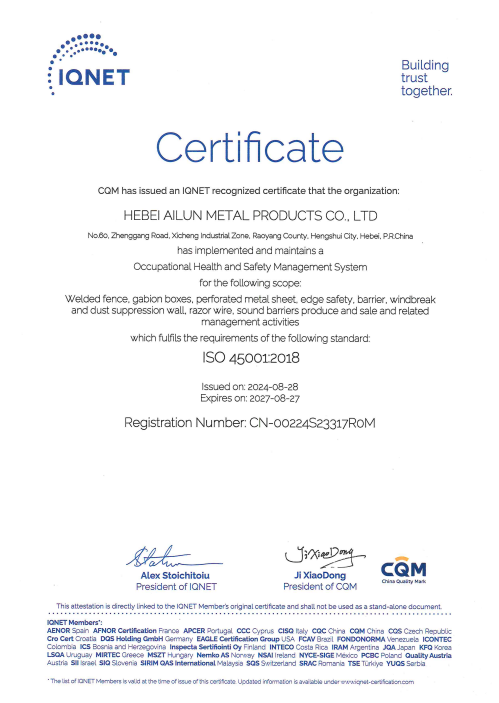
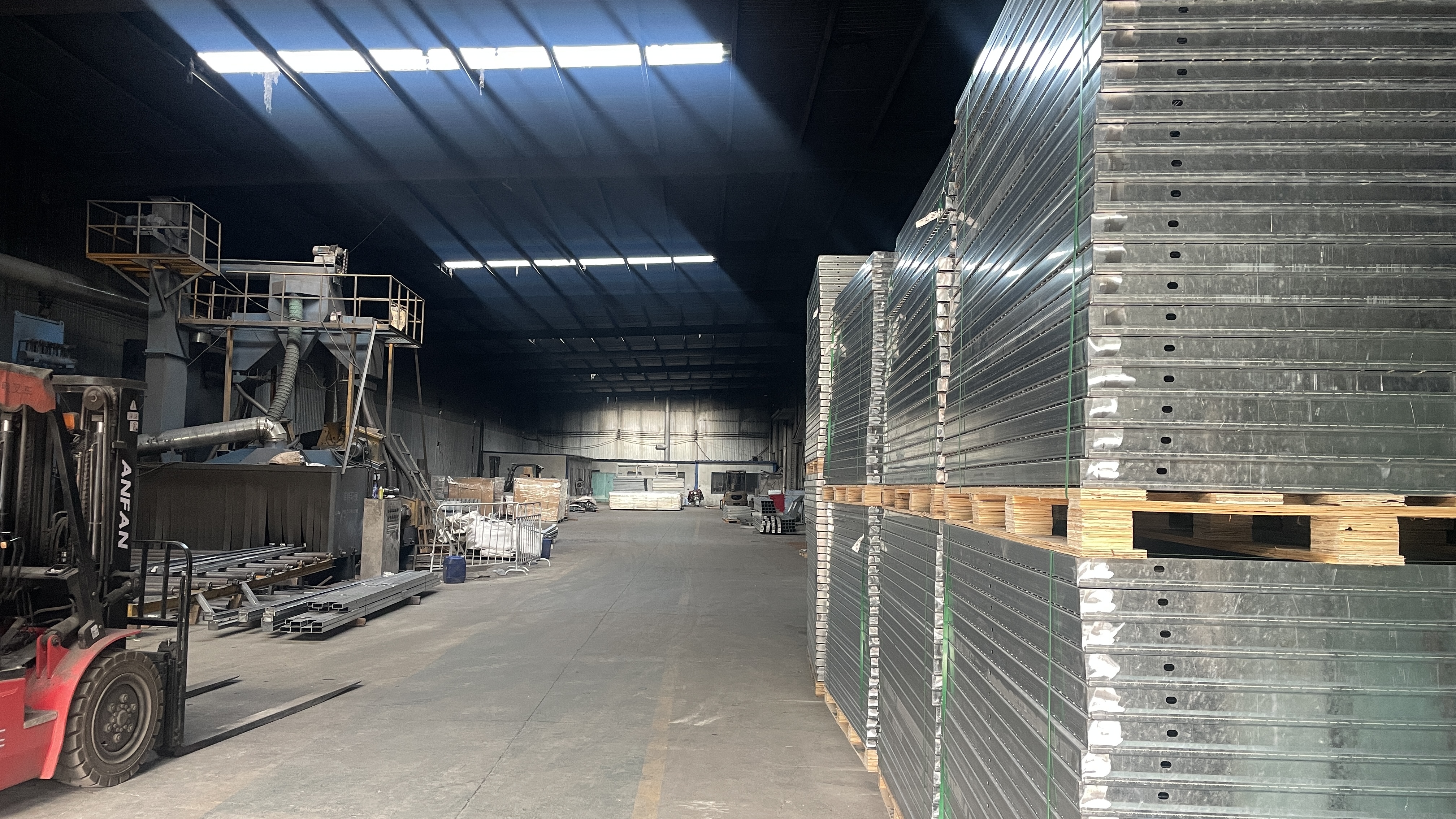
Quality control and manufacturing capability are central to project planning. Dengfeng uses robotic welding, followed by manual inspection throughout polishing, pickling, and powder coating procedures. The company reports ISO9001 certification and supports third-party inspection with SGS or BV. It also offers OEM/ODM production, with customization of size, wire diameter, mesh, color, logo, and surface treatment. Monthly capacity is 420,000 square meters, lead time is generally 15 to 30 days, and the MOQ is 1 set. Every order receives 100% full inspection before shipping. After-sales support includes remote technical support, on-site installation guidance, and free CAD drawings.
Step-by-Step Breakdown: How to Specify Welded Mesh Fence for a Project
The following sequence helps buyers and engineers translate a site requirement into a fence specification.
1. Define the security objective
List what the fence must do: separate public and private areas, prevent climbing, resist cutting, protect children, stop vehicle access, or secure a utility corridor. This determines the panel family and height.
2. Identify applicable standards and local codes
For public sites such as schools and parks, EN 10223-7 may apply. For high-security installations, ASTM F2453/F2453M-14 provides a specification framework for coated welded wire mesh fence fabric. Local building codes and anti-intrusion standards can add requirements for gate operation, sightlines, and boundary setbacks. Ask the supplier for certificates and test reports that match the project jurisdiction.
3. Select panel dimensions and aperture
Height should reflect the threat. For example, anti-climb school perimeters often need a taller panel with a narrow aperture. The 76.2 × 12.7 mm aperture available in the 358-1800 model is commonly used where fingers and footholds must be minimized. For general boundary demarcation, a 50 × 100 mm aperture in a 3D panel is common.
4. Choose material and corrosion protection
Welded mesh fence panels should be manufactured from low-carbon steel wire and, where required, galvanized steel pipe frames. Hot-dipped galvanization followed by powder coating forms a durable dual-layer finish. For coastal or industrial sites, confirm the coating specification before ordering rather than assuming standard outdoor PVC is sufficient.
5. Plan posts, gates, and installation
Specification is not complete until posts, clamps, gates, and foundations are defined. Check underground utilities before post digging, align panels with the site contour, and use the manufacturer's installation guide to avoid stress on welds and coating. Dengfeng provides remote technical support, on-site installation guidance, and free CAD drawings to support this stage.
6. Verify quality and inspection evidence
Ask for factory inspection records, material certificates, and third-party reports. A reliable manufacturer should be able to describe its welding process, inspection stages, and pre-shipment checks. Dengfeng states that every product is fully inspected before shipment and can cooperate with SGS or BV inspections.
Welded Mesh Fence Use Cases by Site Type
Schools
School fencing must balance security with a child-friendly environment. Anti-climb properties, narrow apertures, and powder-coated surfaces reduce the risk of climbing and sharp-edge injury. Welded mesh panels with rigid frames provide defined boundary lines and maintain visibility for supervision. EN 10223-7 is often referenced for welded panels used in school fencing.
Parks and Public Spaces
Park perimeters are exposed to weather, vandalism, and continuous public use. A welded mesh fence for parks should emphasize corrosion resistance, aesthetic finish, and low maintenance. 3D curved panels are a common choice because the curved profile adds stiffness and a cleaner appearance than flat welded mesh.
Industrial Perimeters
Industrial sites require higher intrusion resistance and protection against cutting tools. 358 anti-climb panels and double-wire panels are commonly selected for this role. The narrow aperture and robust frame make it more difficult to climb or cut. Industrial environments can also contain pollutants, so a hot-dipped galvanized plus powder-coated finish is important for long-term service.
Railways
Railway boundaries need to prevent trespassing, protect cables, and reduce theft. Welded mesh fences are used because rigid frame panels with anti-climb characteristics can form a continuous barrier. The 76.2 × 12.7 mm aperture option is relevant where small openings are required. Buyers should also consider automatic gates, access control integration, and local rail authority standards.
Sports Fields
Sports field fencing should keep balls inside the play area while allowing spectators to see through. Welded mesh panels with open apertures provide visibility and impact resistance. Panels should have smooth welds and coatings that can withstand ball impact and weather. Temporary construction panels are often used for event overlays, while permanent projects can use 3D or double-wire panels.
Residential Properties
For residential boundaries, the main requirements are security, privacy control, and aesthetics. Welded mesh fence panels with powder-coated colors and moderate heights are suitable for gardens, housing developments, and community enclosures. Easy installation and low maintenance are important for multi-unit projects managed by property owners.
Evidence from a Real Project
Dengfeng has supplied welded mesh fence to engineering contractors, real estate developers, and security wholesalers. A documented project profile covers buyers in Germany, Australia, and the United Kingdom, with an order of 5,000 square meters for site boundary isolation and community security enclosure. The project used fully customized sizes, ISO-certified production, and was delivered with low-maintenance performance. The stated result was long-term anti-rust and anti-climb protection over a 10-year service period.
Comparison Table: Welded Mesh Fence Selection by Project Site
The table below provides a directional comparison for specification planning.
| Project Site | Core Requirement | Common Panel Direction | Key Considerations |
|---|---|---|---|
| School | Anti-climb, child safety, visibility | 358 anti-climb or rigid 3D panel with narrow aperture | Check EN 10223-7, school safety guidelines, powder coating color and smooth welds. |
| Park | Weather resistance, low maintenance, appearance | 3D curved welded panel | Hot-dipped galvanized + powder coating; use vandal-resistant fixings. |
| Industrial perimeter | Intrusion resistance, anti-cut performance | 358 anti-climb or double-wire panel | Confirm coating for industrial pollutants; verify height and gate integration. |
| Railway | Trespass prevention, cable theft protection | Rigid frame anti-climb panel; consider 76.2 × 12.7 mm aperture | Follow rail authority standards; plan signal sightlines and access points. |
| Sports field | Ball containment, visibility, safety | 3D or double-wire panel with open mesh | Use impact-resistant panels; avoid sharp edges; plan maintenance gates. |
| Residential | Security, aesthetics, easy installation | 3D welded panel with color coating | Confirm local boundary rules; choose low-maintenance coating and durable posts. |
The table is directional rather than exhaustive. A project engineer should combine these recommendations with local building codes, security audits, and the manufacturer's specification sheet.
Frequently Asked Questions
1. How do I confirm that a welded mesh fence meets safety and security standards for my project?
Confirming compliance starts with identifying the standard that applies to your project. EN 10223-7:2012 covers steel wire welded panels for fencing in schools, parks, and industrial sites. For high-security applications, ASTM F2453/F2453M-14 specifies coated welded wire mesh fence fabric. Ask the manufacturer to provide certificates such as ISO9001, third-party SGS or BV reports, and material test records, then verify those documents against local building codes before ordering.
2. Can welded mesh fence panels be customized for different project sites?
Yes. Dengfeng supports OEM/ODM production and can customize size, wire diameter, mesh, color, logo, and surface treatment. This allows panels to be adapted to school perimeter heights, park colors, industrial coating requirements, or railway boundary specifications. The MOQ is 1 set, so custom requirements can be validated without waiting for a large production run.
3. Can I request a sample or a small trial set before bulk delivery?
Because the MOQ is 1 set, a sample set or small batch can be arranged to verify the design, finish, and installation method. Dengfeng also provides free CAD drawings, so the project team can review panel dimensions and layout before production. After confirmation, every order is subject to 100% full inspection.
4. What lead time should I expect for welded mesh fence production?
Dengfeng's standard lead time is 15 to 30 days after order confirmation, depending on quantity, customization, and coating requirements. Monthly capacity is 420,000 square meters. Confirm the lead time during quotation because high-demand periods can extend schedules.
5. What installation and after-sales support does the manufacturer provide?
Dengfeng offers remote technical support, on-site installation guidance, and free CAD drawings. These services help installers avoid common problems such as misaligned posts, damaged coating, or incorrect clamps. For a project-specific specification, contact Dengfeng for a quote or a free CAD drawing and ask for the latest welded mesh fence brochure.
Next step for project buyers
For site-specific welded mesh fence selection, contact Anping Dengfeng Wire Mesh Products Co., Ltd. The team can provide a quote, free CAD drawing, and installation guidance. Download the Dengfeng welded wire mesh brochure for product details.
Contact: Ren Lijuan · Email: sales@alunfence.com · Tel/WhatsApp: +86 158-3395-6854 · Website: dengfengwiremesh.com
Conclusion
Welded mesh fence is not a one-size-fits-all purchase. Site conditions, standards, environmental loads, and installation plans all shape the correct specification. For schools, parks, industrial sites, railways, sports fields, and residential communities, the most reliable approach is to start with a clear security objective, verify standards and certificates, and work with a manufacturer that can document material, coating, inspection, and project support.
Anping Dengfeng Wire Mesh Products Co., Ltd. offers welded mesh fence panels in multiple models and sizes, OEM/ODM customization, ISO9001, SGS and BV certification, 100% full inspection, and after-sales installation support. Use the contact information above to discuss your project requirements and verify the specification before production.
Have Questions or Need More Details?
Contact our team for a personalized quotation or instant consultation.
Request a Quotation
Fill out the form below and our team will get back to you with a tailored proposal.
WhatsApp Direct Chat
Prefer to chat in real-time? Message us on WhatsApp for instant assistance & quick answers.
- Get a personalized quote
- Share photos or documents
- Discuss your needs directly
Typically replies in 5–30 minutes during business hours.