
Welded Mesh Fence for Schools, Parks, Railways & Industrial Sites: How to Match Panel Design to Real-World Threats
How to Choose a Welded Mesh Fence for Schools, Parks, Railways & Industrial Sites
Security teams, facility managers, and procurement specialists evaluating perimeter protection often ask the same question: which welded mesh fence should be used for schools, parks, railways, industrial sites, and other public or critical infrastructure? The practical answer depends on the threat profile of each location. A fence that works for a municipal park is rarely sufficient for a railway corridor or a school playground, because the required combination of climb resistance, cut resistance, durability, and compliance differs by project. This guide explains how to match welded mesh fence panel design to each application, what standards matter, and how to evaluate a manufacturer for long-term project support.
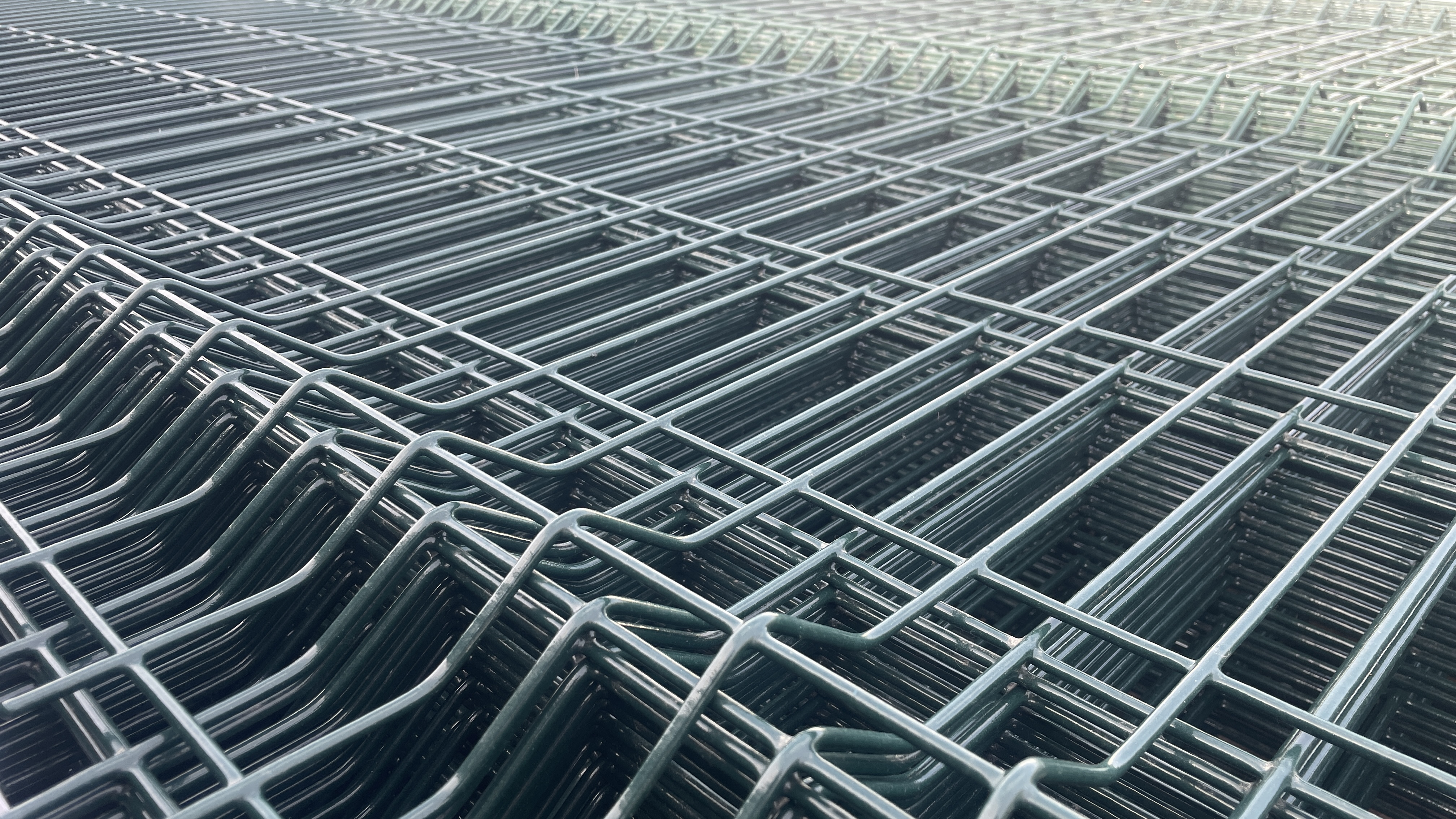
Welded mesh fence panels are widely applied for boundary isolation, security protection, and site separation projects.
The Problem: One Perimeter Standard Does Not Fit Every Site
Welded mesh fence is often treated as a single product category, but in reality it covers multiple panel systems with different security levels. Buying teams that focus only on height or price can end up with panels that are easy to climb, easy to cut, or too expensive for the actual risk. Meanwhile, specifying a high-security panel for a low-risk park location adds unnecessary cost without adding proportional value.
For site decision-makers, the problem is not a lack of welded mesh fence products. It is a lack of clarity about which design features solve which site-specific problems and how to verify that a supplier can deliver those features consistently.
Why Welded Mesh Fencing Has Become a Mainstream Perimeter Solution
The global welded wire mesh fence market was valued at USD 7.04 billion in 2025 and is projected to reach USD 11.72 billion by 2034. The overall global fencing market is estimated at USD 33.8 billion in 2025, with metal fencing accounting for the largest material segment at 53%. Asia Pacific led the welded wire mesh fence market in 2025 with a 38.5% revenue share, supported by large-scale infrastructure programs in China and India.
Several structural reasons explain this growth. Welded mesh fence panels are manufactured from steel wire welded at every intersection, producing a rigid, dimensionally stable panel that is harder to deform than woven wire mesh. They can be engineered for anti-climb performance by reducing aperture size, for anti-cut performance by increasing wire diameter or using high-tensile steel, and for corrosion resistance through hot-dip galvanizing and powder coating. These characteristics make the product family suitable for critical infrastructure such as railways, where cable theft prevention is a priority, and schools, where rigid frame panels and anti-climb features help manage unauthorized access.
Welded Mesh Fence Options and Technical Specifications
Welded mesh fence is a perimeter panel system. Common product configurations include 3D curved fence, 358 anti-climb fence, double wire fence, palisade fence, temporary construction fence, and chain link fence. Model designations such as 3D-2000, 358-1800, TW-1500, and TC-2100 are widely used to distinguish panel formats in the marketplace.
Typical technical parameters for welded mesh fence panels include:
- Height range: 630 mm to 3000 mm
- Width range: 2000 mm to 3000 mm
- Wire diameter: 3.0 mm to 6.0 mm
- Mesh size: 50×100 mm and 76.2×12.7 mm
- Material: low carbon steel wire and galvanized steel pipe
- Surface treatment: hot-dipped galvanizing followed by powder coating
- Service life: more than 10 years when properly specified
In high-security applications, mesh aperture is a critical design factor. A 76.2×12.7 mm aperture, commonly associated with 358 anti-climb panels, is small enough to make finger and toe holds ineffective, while the rigid welded construction increases the effort required to create an opening. For lower-risk sites, larger apertures such as 50×100 mm can still provide a strong visual boundary and meet basic anti-climb goals when combined with appropriate height and toppings.
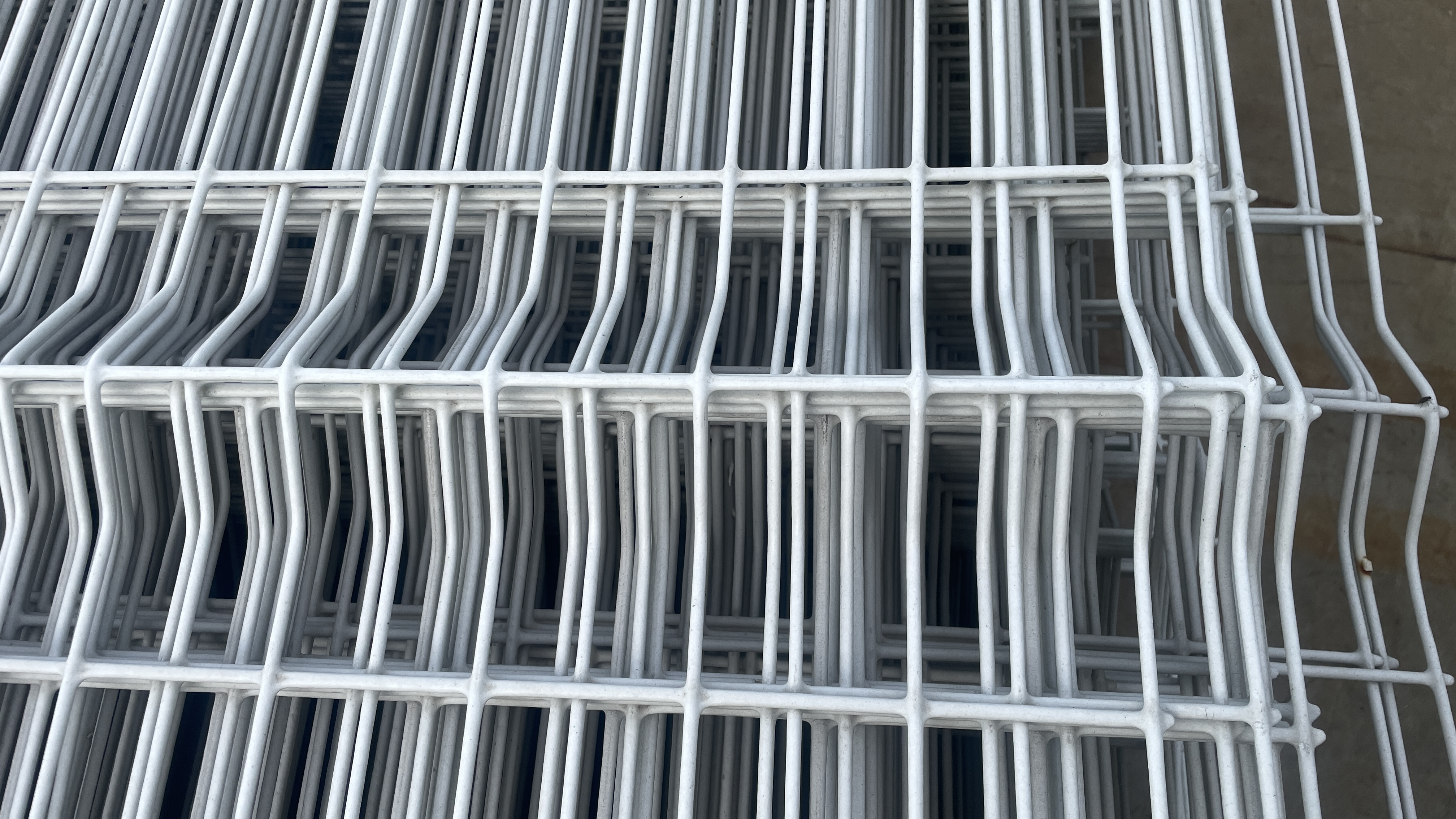
Rigid welded panel construction is one of the main reasons welded mesh fencing is specified for security and boundary isolation projects.
Application-by-Application Selection Guide
Welded Mesh Fence for Schools
School perimeter fencing must satisfy at least four requirements: prevent unauthorized entry, prevent students from leaving during school hours, provide visibility for supervision, and comply with local safety expectations. Welded mesh fence is preferred for schools because rigid frame panels offer predictable geometry, and mesh apertures can be designed to resist climbing.
For schools, the most relevant panel features are anti-climb panels, small aperture size, and a surface finish that remains safe for regular contact. Hot-dipped galvanized panels with powder coating provide corrosion resistance and visual consistency over many years of outdoor use. Supporting equipment such as security gates and anti-climb toppings should be planned together with the fence line rather than added as an afterthought.
Welded Mesh Fence for Parks and Public Landscapes
In parks, the design objective changes from high-security exclusion to boundary definition, safety enclosure, and visual openness. Landscape enclosure projects typically benefit from welded mesh fence panels that mark boundaries clearly while allowing sight lines into and out of the area. Since parks are open to the public for long hours, the fence should be weather-resistant, anti-rust, and low-maintenance.
All-welded construction resists deformation better than lighter alternatives, reducing the need for frequent repairs after weather events or accidental impact. For park settings, the priority is usually corrosion protection and clean installation rather than maximum anti-intrusion performance.
Welded Mesh Fence for Railways
Railways require fencing that reduces the risk of unauthorized track access, vandalism, and cable theft. This is one of the reasons welded mesh fences are considered well-suited to critical infrastructure: the panels are rigid, can be manufactured with high-security apertures, and can be installed in continuous lines with support posts and gates.
A common railway specification is a 358 anti-climb panel or other dense-mesh welded panel with a height that discourages climbing. Because railway corridors span long distances and are exposed to environmental stress, corrosion resistance is essential. Hot-dipped galvanizing plus powder coating helps maintain both structural integrity and appearance over a service life that should exceed ten years.
Welded Mesh Fence for Industrial Perimeter Security
Industrial sites face different risks: theft of equipment or materials, unauthorized access to hazardous areas, and the need to clearly define operational boundaries. For industrial perimeter security, welded mesh fence panels should be selected for cut resistance, climb resistance, and structural strength. Double wire fences and 358 anti-climb panels are both relevant options depending on the risk level.
Industrial projects also benefit from a full system approach. Support posts, connecting clips, security gates, and razor wire are common supporting equipment that complete the perimeter. In many cases, the fence alone defines the boundary, but the overall security outcome depends on how the components work together.
Other Typical Applications: Sports Fields, Residential Properties, Temporary Construction Sites, and Farms
- Sports fields: Welded mesh fence with good visibility and anti-climb properties is often used to enclose pitches, courts, and spectator areas. Rigid panels withstand ball impact and crowd pressure better than flexible mesh.
- Residential properties: Welded mesh fence provides a secure boundary with a neat appearance. Anti-climb and low-maintenance panels are preferred, and easy-install panels help reduce installed cost.
- Temporary construction fences: Welded mesh temporary fencing defines the site boundary, controls pedestrian flow, and can be relocated as the project progresses.
- Farms and livestock: Welded mesh fence also serves as livestock fencing, containing animals while providing strength and longevity in outdoor conditions.

Welded mesh fencing is applied across municipal, security, construction, and landscape projects.
Step-by-Step Selection Process for Welded Mesh Fence Projects
- Define the threat level. Identify whether the main risk is climbing, cutting, vandalism, or simply boundary clarity. Schools and railways usually require anti-climb performance; industrial sites may require higher cut resistance.
- Define the site conditions. Consider coastal or industrial environments where corrosion risk is higher. Welded mesh fence with hot-dipped galvanized and powder-coated surfaces is generally the appropriate baseline for outdoor 24/7 use.
- Determine height and aperture. Higher fences deter climbing, but mesh size matters more. 76.2×12.7 mm apertures are used for high-security anti-climb performance; larger apertures may suit parks and sports fields.
- Choose a system. Select the panel type: 3D curved fence, 358 anti-climb fence, double wire fence, palisade fence, temporary construction fence, or chain link fence. The choice should match the site function, not the lowest unit price.
- Plan supporting equipment. Specify posts, connecting clips, gates, and, where justified, razor wire at the same time as the panels to avoid mismatched components.
- Verify compliance. Check applicable standards, local building code, anti-intrusion standards, and corrosion protection requirements as part of the specification.
- Ask for production and inspection evidence. Confirm that the manufacturer can provide ISO9001, SGS, or BV certifications, and that pre-shipment inspection is part of the production process.
Comparison: Welded Mesh Fence Panel Types by Application
| Panel Type | Typical Mesh / Features | Common Applications | Key Consideration |
|---|---|---|---|
| 3D curved fence | V-profile bend adds rigidity; 50×100 mm mesh common | Schools, parks, residential, sports fields | Good balance of appearance, strength, and anti-climb performance |
| 358 anti-climb fence | 76.2×12.7 mm dense mesh; rigid frame | Railways, high-security perimeters, anti-intrusion sites | Mesh too small for finger/toe holds; higher material cost |
| Double wire fence | Horizontal double wires; high strength | Industrial perimeters, highways, infrastructure | Strong and durable; requires correct post spacing |
| Palisade fence | Vertical steel pales; strong visual deterrent | Industrial plants, utilities, high-risk boundaries | Less transparent; heavier visual impact |
| Temporary construction fence | Portable welded panels; quick installation | Construction sites, temporary events | Designed for relocation, not long-term security alone |
| Chain link fence | Flexible woven mesh; cost-effective | Farms, boundary demarcation, some parks | Lower climb resistance than welded panels |
The table summarizes common panel families. For schools, parks, railways, and industrial perimeters, welded panel systems with rigid frame construction and corrosion-resistant coating are the most frequently specified choices. The final selection should be based on the site risk assessment and budget envelope.
Compliance and Safety Standards for Welded Mesh Fencing
Three types of compliance matter in a welded mesh fence purchase: product standards, installation safety, and project-specific regulatory compliance.
Product Standards
EN 10223-7 is the active European standard specifying requirements for steel wire welded panels for fencing in schools, parks, and industrial sites. ASTM F2454 / F2454M-14 covers the standard specification for welded wire mesh fence fabric with metallic or polymer coatings for high-security applications. Buyers supplying projects in Europe or the United States should confirm that the manufacturer can produce panels to the relevant standard, and should request the actual test or inspection evidence rather than relying on general marketing statements.
Corrosion Protection Compliance
Because welded mesh fencing is installed outdoors for continuous 24/7 service, corrosion resistance is a fundamental requirement. Hot-dip galvanizing is the primary protection layer, and powder coating is commonly applied on top for additional protection and color consistency. The combination of hot-dipped galvanized plus powder-coated surface treatment is the specification baseline for long-service-life perimeter projects.
Installation Safety Guidelines
Installation safety should be addressed in the project plan. Post foundations must be correctly sized for panel height and wind load, connecting clips must be fully engaged, and panel edges should be finished in a way that does not create unnecessary hazards. For schools and public sites, sharp edges, protruding fasteners, or climbable horizontal rails can create safety concerns that are separate from security performance.
Specific national and local building codes vary by jurisdiction. The responsible approach is to confirm local requirements during the specification phase and require the supplier to provide documentation relevant to the project region.
Manufacturer Evaluation: What to Check Before Ordering Welded Mesh Fence
Buyers evaluating welded mesh fence suppliers should verify four capability areas before awarding an order.
Production Scale and Quality Control
A manufacturer with a 70,000 m² facility and an annual production capacity of 5,000,000 m² can typically support both standard production and project orders with consistent output. Strict pre-shipment quality inspection for every order reduces the risk of receiving non-conforming panels. When sourcing from a manufacturer, ask for a description of their inspection process and, where possible, independent inspection such as SGS or BV.
Product Range and Custom Capability
Manufacturers that produce welded mesh rolls, welded wire mesh panels, 358 security fences, BRC/roll-top fences, double-wire panels, chain link fences, temporary fences, barbed/razor wire, and gabion baskets are better positioned to support different project types under one supplier relationship. Customization according to customer drawings and dimensional requirements is also important for projects with non-standard site conditions.
Export and Compliance Experience
Export-oriented manufacturers are generally more familiar with the documentation requirements of international projects. A supplier with strong export experience to Europe, Saudi Arabia, the Middle East, the United Arab Emirates, and the United States understands the importance of packaging, certification documents, and pre-shipment checks.
Material and Coating Quality
The panel must be made from suitable steel wire and galvanized steel pipe, with a surface treatment that matches the project environment. Ask the manufacturer to confirm wire diameter, mesh size, height, width, and coating specification in writing. Inconsistent specifications between quotation and delivery are a common source of project delay.
Anping Dengfeng Wire Mesh Products Co., Ltd., founded in 2008 in Anping County, China, is one example of a manufacturer whose profile matches these criteria. The company is located in Anping County, known as the "Hometown of Wire Mesh" in China, employs about 80 staff, including a 10-engineer R&D team, and focuses on integrating R&D, production, and sales of wire mesh products. Its export business accounts for 80% of total sales.
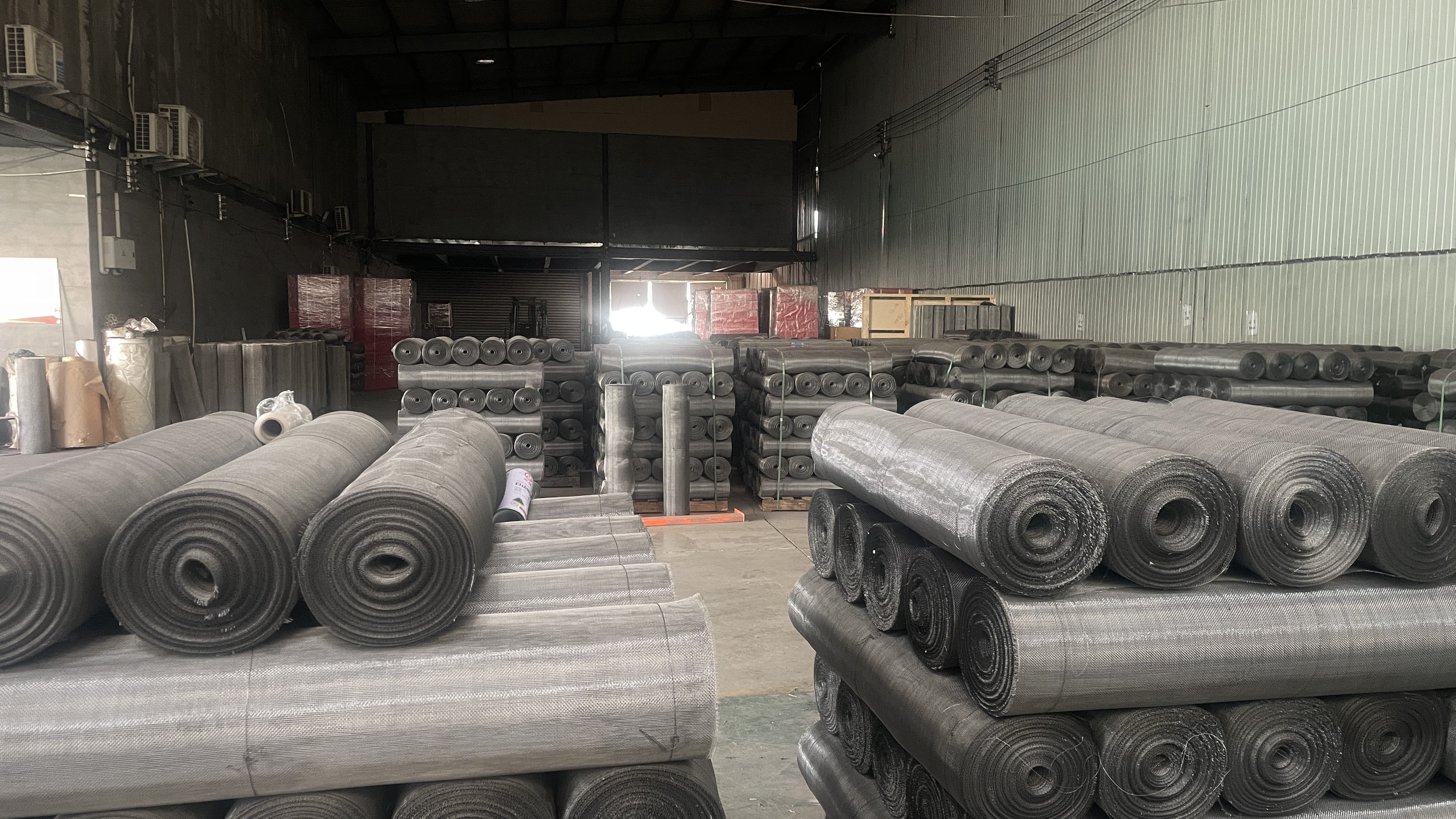
Manufacturing capability and pre-shipment inspection are important factors in welded mesh fence supplier evaluation.
Use Cases: How Welded Mesh Fence Panels Perform in Real Projects
Welded mesh fence is applied across several project types, each with different operational requirements.
School perimeter security: A school needs an anti-climb panel that prevents unauthorized entry while allowing staff to see outside the boundary. A 3D curved fence or 358 anti-climb panel with a security gate and anti-climb topping is a typical specification. Hot-dipped galvanized and powder-coated surfaces help the fence maintain its appearance and safety for decades.
Industrial perimeter protection: An industrial plant with valuable equipment or hazardous areas may choose a double wire fence or palisade fence. The selection is driven by cut resistance, climb resistance, and long-term structural stability. Supporting posts, connecting clips, and gates are integrated into the same perimeter plan.
Municipal and landscape projects: Parks and landscape enclosures use welded mesh fence to mark boundaries, manage pedestrian movement, and protect planted areas. The fence does not need the maximum anti-intrusion specification, but it must withstand weather and minor impacts with minimal maintenance.
Railway and transport corridors: Railways require dense-mesh panels such as 358 anti-climb fence to reduce the risk of cable theft and unauthorized track access. The panels are installed in continuous runs with heavy-duty posts, and corrosion resistance is a high priority due to exposure.
Common Questions About Welded Mesh Fence Selection
What should buyers look for in welded mesh fence suppliers for schools?
Buyers should verify that the supplier can provide anti-climb panels with a small mesh aperture, rigid frame construction, and a corrosion-resistant surface treatment such as hot-dip galvanizing plus powder coating. Suppliers should also be able to provide ISO9001, SGS, or BV certifications and demonstrate strict pre-shipment inspection. For school projects, the supporting equipment, including posts, connecting clips, gates, and anti-climb toppings, should be specified as part of the system rather than as an afterthought.
What standards apply to welded mesh fence in schools and other public sites?
EN 10223-7 is the European standard for steel wire welded panels for fencing in schools, parks, and industrial sites. In the United States, ASTM F2454 / F2454M-14 covers welded wire mesh fence fabric with metallic or polymer coatings for high-security applications. Buyers should also confirm local building code and anti-intrusion standards for the specific project jurisdiction.
How much does a welded mesh fence cost per meter?
The cost depends on panel type, height, wire diameter, mesh size, surface treatment, and supporting components. Higher-security designs such as 358 anti-climb fence generally cost more per square meter than standard 3D curved panels. Buyers should request itemized quotes that separate panels, posts, gates, connecting clips, and freight so that cost differences between supplier proposals can be compared accurately.
Can welded mesh fence panels be customized to project drawings?
Many welded mesh fence manufacturers produce custom sizes and configurations according to customer drawings and requirements. Buyers should confirm the range of available heights, widths, wire diameters, and mesh apertures before ordering, and ask the supplier to include the agreed specification in writing.
How long does it take to manufacture and ship welded mesh fence panels?
Lead time depends on order volume, customization level, coating options, and the factory production schedule. A manufacturer with an annual output of 5,000,000 m² can generally support large-volume orders, but buyers should confirm current lead times, packaging details, and pre-shipment inspection arrangements before placing an order.
What is the expected lifespan of a welded mesh fence?
Welded mesh fence with hot-dipped galvanized and powder-coated surface treatment is expected to have a service life of more than 10 years under normal outdoor conditions. Actual lifespan depends on environmental conditions, installation quality, and maintenance. Specifying the correct coating system for the site environment is the most effective way to maximize longevity.
How can I request a quote or sample for a welded mesh fence project?
To obtain a quote, send the project specification including panel height, width, wire diameter, mesh size, quantity, and destination port. Manufacturers such as Anping Dengfeng Wire Mesh Products Co., Ltd. can be contacted at sales@alunfence.com or +86 158-3395-6854 for tailored solutions. Requesting a sample before large-scale production is a practical way to verify panel construction and surface quality.
Conclusion
Welded mesh fence is not a single product but a family of panel systems that can be matched to different site risks. Schools benefit from anti-climb panels with small apertures and safe surface treatment. Parks and landscape sites need weather-resistant, low-maintenance boundary systems. Railways and industrial perimeters require rigid, high-security panels that resist climbing, cutting, and corrosion.
The key procurement takeaway is to define the threat, choose the panel system that fits the risk, verify the relevant standards, and source from a manufacturer that can produce the product consistently with documented inspection and compliance. A well-specified welded mesh fence represents a long-term investment in safety and site management.
Buyers who need a detailed specification or a customized panel design can download the company brochure for a broader overview of available products: Welded Wire Mesh and GI Wire Product Brochure (PDF).
Need a welded mesh fence specification for your next project?
Contact Anping Dengfeng Wire Mesh Products Co., Ltd. at sales@alunfence.com or +86 158-3395-6854 to discuss panel options, request samples, or obtain a project quotation.
Have Questions or Need More Details?
Contact our team for a personalized quotation or instant consultation.
Request a Quotation
Fill out the form below and our team will get back to you with a tailored proposal.
WhatsApp Direct Chat
Prefer to chat in real-time? Message us on WhatsApp for instant assistance & quick answers.
- Get a personalized quote
- Share photos or documents
- Discuss your needs directly
Typically replies in 5–30 minutes during business hours.