
Welded Mesh Fence for Site Boundary Security: Rust, Climb and Maintenance, Solved
A site boundary fence fails in three predictable ways: it rusts where the coating breaks, it can be climbed in under a minute, and it drains maintenance budget every year until the whole run is replaced. For engineering contractors, real estate developers and security wholesalers, those three failures decide whether a perimeter holds for a decade or becomes a recurring cost line.
This guide takes the three pain points one by one and maps them to four welded mesh fence panel models from Anping Dengfeng Wire Mesh Products Co., Ltd. — 3D-2000, 358-1800, TW-1500 and TC-2100 — using verified specifications, stated inspection stages and project evidence from Germany, Australia and the United Kingdom.
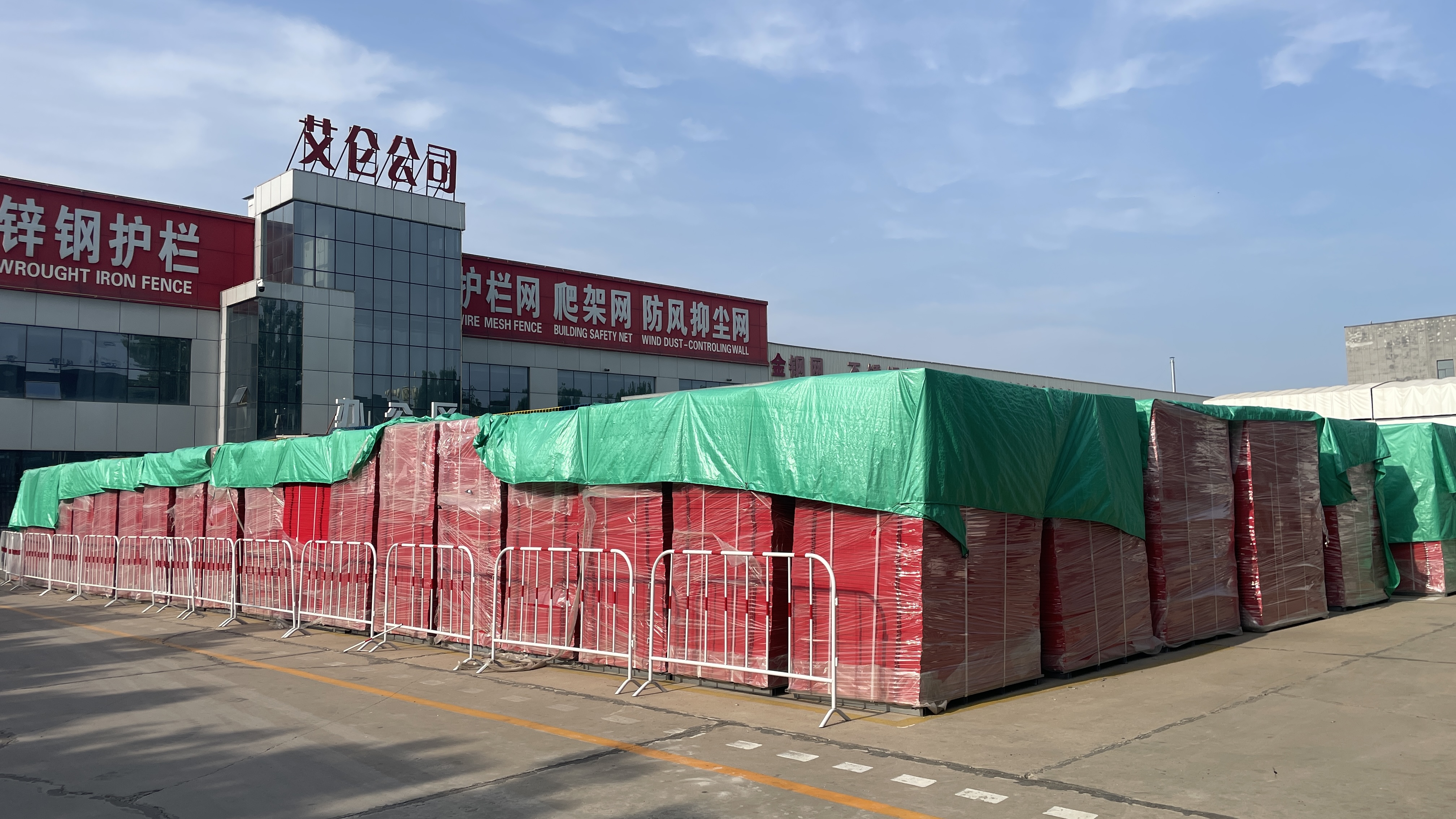
Short answer: Rust, climb and maintenance are solved at the specification stage, not at the repair stage. Hot dipped galvanized wire with a powder coating controls corrosion; a tight, small-aperture panel format controls climbing and cutting; robotic welding plus manual inspection at the polishing, pickling and powder coating stages controls defect escape. Dengfeng applies this build across the 3D-2000, 358-1800, TW-1500 and TC-2100 range, with panel heights of 630–3000 mm, widths of 2000–3000 mm, wire diameters of 3.0–6.0 mm and mesh sizes of 50x100 mm or 76.2x12.7 mm.
The Three Failure Points That Break a Site Boundary
Boundary failures on construction sites, residential communities and industrial plots are rarely caused by a single dramatic event. They accumulate from three technical weaknesses that appear in a predictable order.
1. Corrosion starts at the cut edge and the weld point
Every panel has two weak points: the place where wire is cut to length and the place where wires cross and weld. If those points carry a thin coating, moisture reaches bare steel first and rust spreads along the wire. On a site boundary the result is visible within a few seasons — rust streaks on the panel face, staining on adjacent paving, and eventually wire loss at the most exposed points. Dengfeng identifies corrosion damage and structural deformation as the two controlled risk types in its production process, and addresses both with hot dipped galvanizing plus powder coating and a thickened wire structure.
2. Climbing is a function of aperture and foothold
A panel with wide apertures and horizontal wires gives a climber a ladder. On school perimeters, park edges, substations and residential boundaries, the practical question is not whether a panel is strong, but whether it offers a repeatable foothold at a reachable height. Anti-climb performance is therefore a design decision about mesh aperture and panel geometry, not a coating decision.
3. Maintenance load is the hidden lifetime cost
Repainting, straightening impact damage and replacing individual bays all consume labour and access time. For a developer handing a site over to a management company, or a wholesaler supplying a multi-site client, maintenance frequency is the number that determines whether the fence is a one-off capital item or an annual operating cost. A correctly coated, correctly specified welded mesh panel is designed to require zero maintenance within 10 years.
Industry Background: Why Boundary Buyers Are Specifying Welded Mesh
The welded wire mesh fence market was valued at USD 7.04 billion in 2025 and is projected to reach USD 11.72 billion by 2034, according to Dataintelo. The wider fencing market is estimated at USD 33.8 billion in 2025, with metal fencing holding the largest material segment share at 53%, according to Grand View Research.
Supply is concentrated. Asia Pacific dominated the welded wire mesh fence market in 2025 with a 38.5% revenue share, largely driven by infrastructure projects in China and India, again per Dataintelo. That concentration matters to buyers in Europe, the Middle East and North America because it determines where specification discipline and inspection documentation have to be verified most carefully.
Two standards frame the technical conversation. EN 10223-7:2012 is the active European standard specifying requirements for steel wire welded panels for fencing in schools, parks and industrial sites. ASTM F2453 / F2453M-14 covers the standard specification for welded wire mesh fence fabric with metallic or polymer coatings for high-security applications. Buyers who ask for test evidence against one of these standards are asking a question the supplier can answer with documents rather than adjectives.
Application trends reinforce the shift. Welded mesh fences are preferred for critical infrastructure such as railways, where cable theft prevention matters, and for schools, because rigid frame panels and anti-climb characteristics suit those environments better than flexible mesh systems.
The Dengfeng Build: Coating, Welding and Inspection by Stage
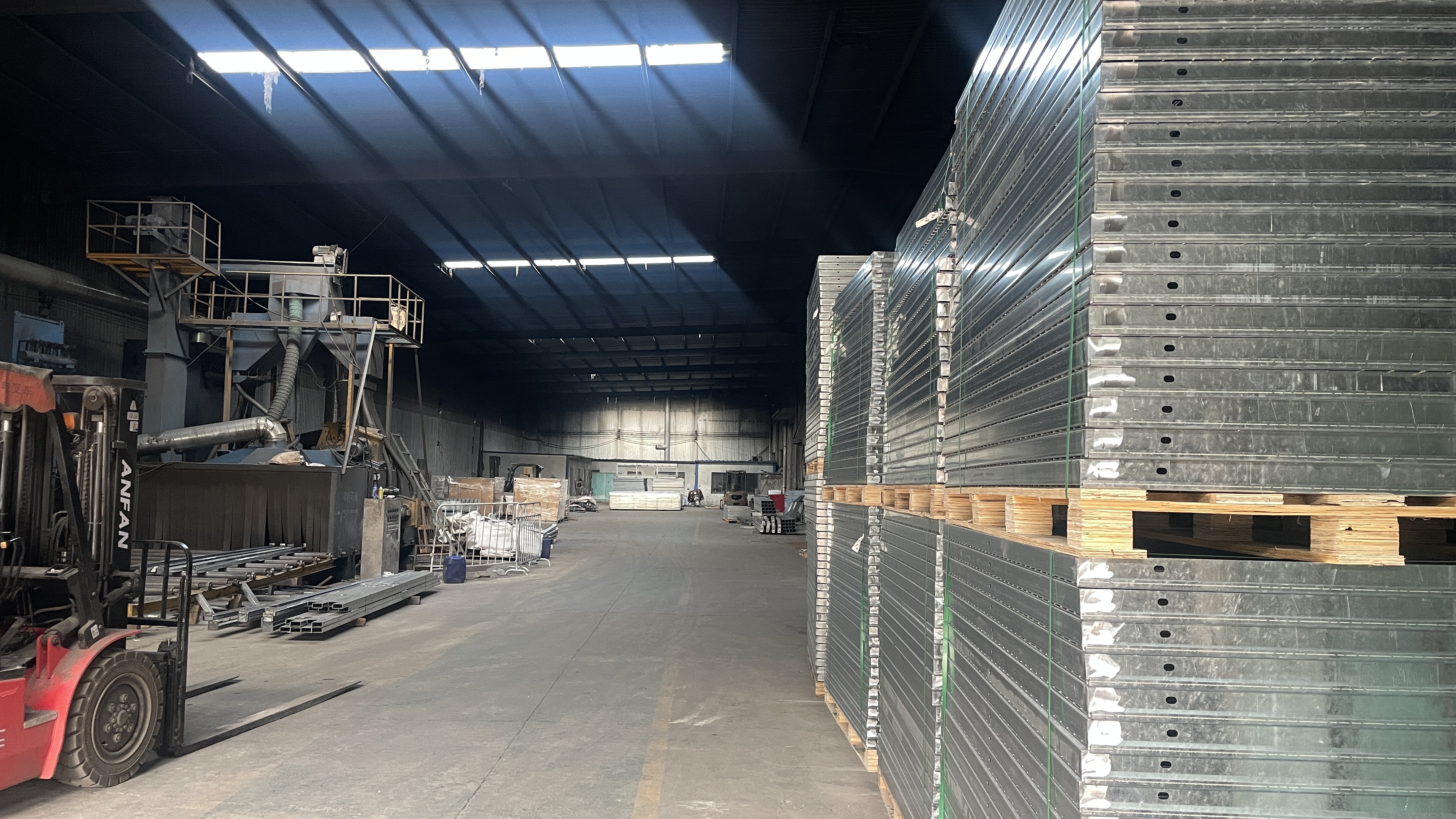
Anping Dengfeng Wire Mesh Products Co., Ltd. is a welded mesh fence manufacturer founded in 2008 in Anping County, Hebei Province, China, operating a 70,000 m² factory with 80 employees and an annual output of 5,000,000 m². Welded mesh rolls and panels, 358 security fences, double-wire panels and related perimeter products are exported to Europe, Saudi Arabia, the Middle East, the United Arab Emirates and the United States, with an export ratio of 80%.
The anti-corrosion answer on this range is a two-layer system: hot dipped galvanizing followed by powder coating. Galvanizing provides sacrificial protection to the steel; the powder coating supplies the uniform, colour-stable outer surface that specifiers and end clients see. Applied to wire that is welded before coating, the system covers the panel face evenly rather than relying on a post-painted finish.
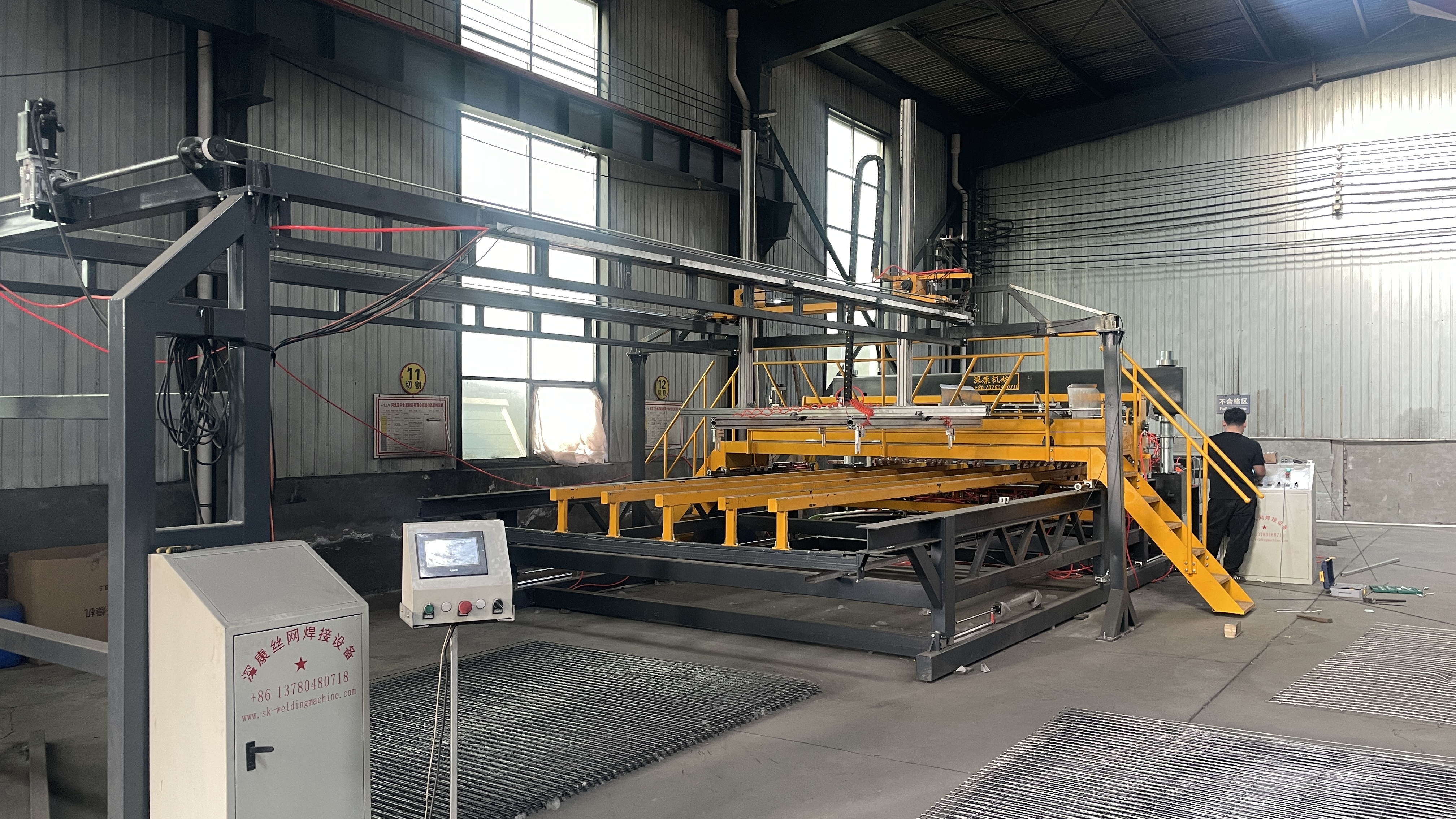
Welding is carried out on robotic lines, which keeps aperture geometry consistent across a long production run — the property that decides whether panels line up cleanly on site and whether the anti-climb geometry is uniform along the whole boundary.
Inspection is where this build differs from a price-only offer. Dengfeng inspects manually during the polishing, pickling and powder coating stages, then applies a 100% full inspection before delivery. The stated production controls are 100% raw material inspection, a finished product load test and full delivery inspection. For a buyer, that sequence translates into three documents to request: incoming wire certification, load test results, and the pre-shipment inspection record for the specific order.
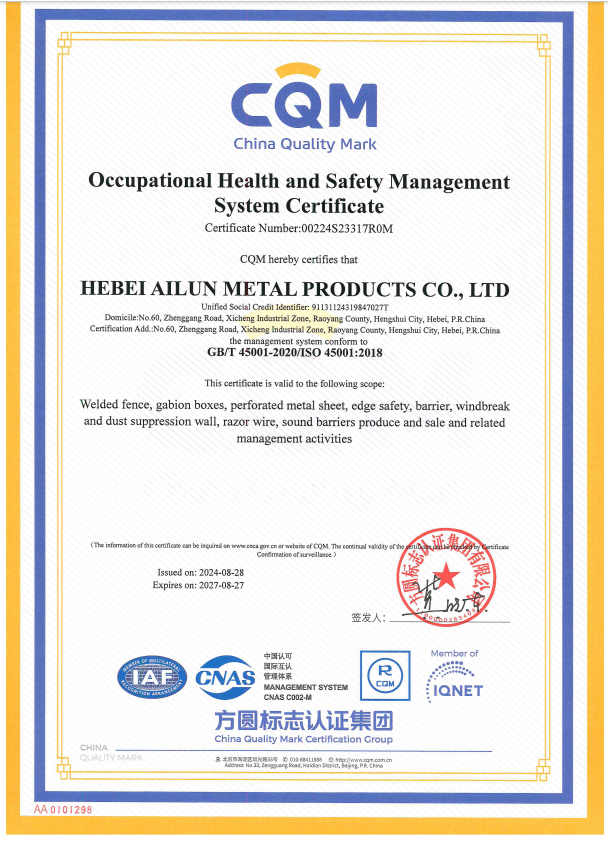
The product carries certifications including ISO 9001, SGS and BV, and the stated service life is over 10 years.
Four Panel Models Mapped to the Three Problems
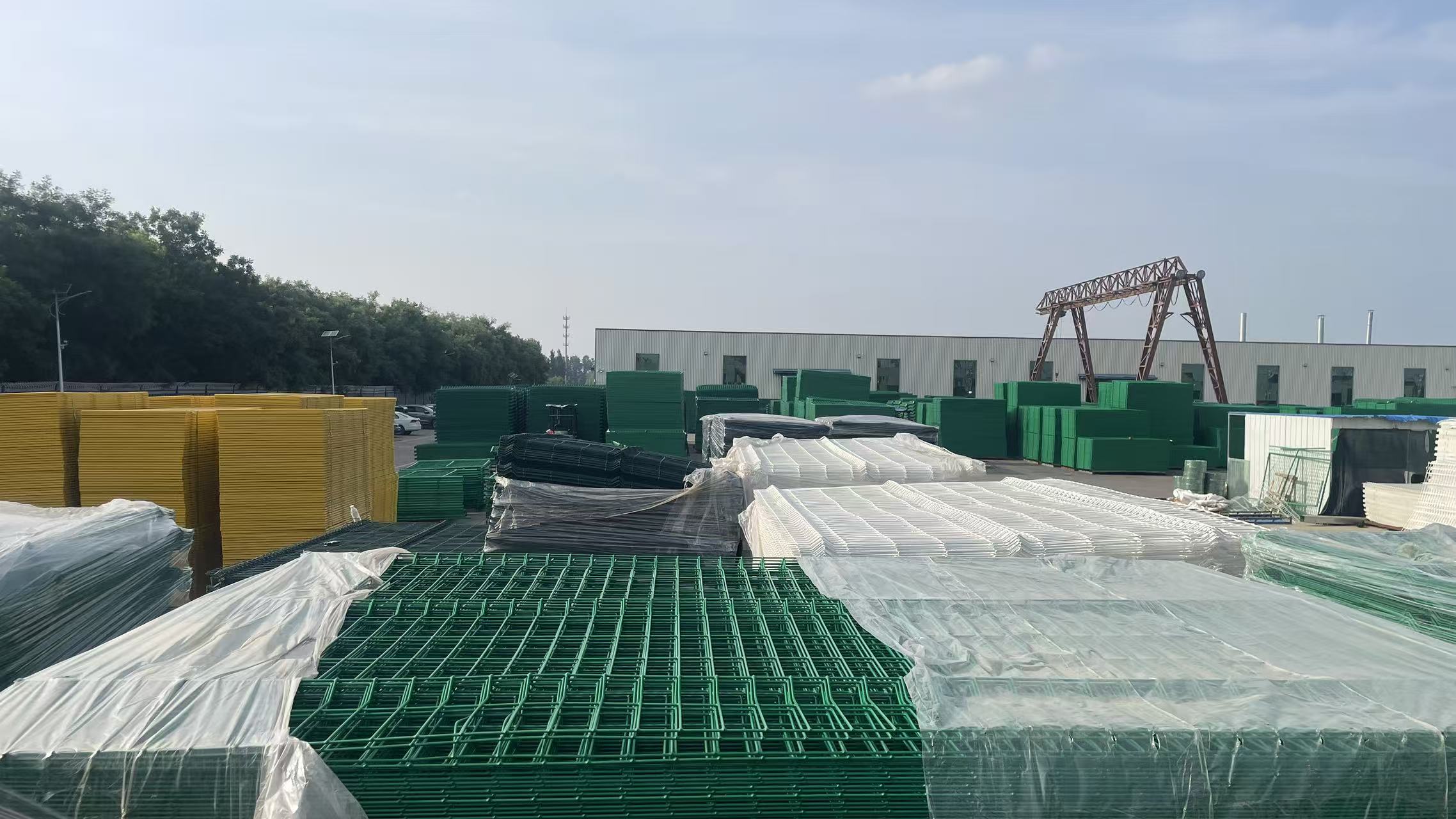
Dengfeng builds site boundary security around four standard panel references. Each uses the same core build — hot dipped galvanized wire, powder coating, robotic welding and staged manual inspection — but the panel configuration changes which of the three failure modes it neutralises first.
3D-2000: where climb deterrence and visual screening both matter
The 3D-2000 uses the 3D curved panel format, in which horizontal wires are profiled to create a three-dimensional face rather than a flat plane. That geometry removes the clean horizontal foothold a flat panel offers and adds a visual break to long boundary runs — useful on residential community edges, park boundaries and commercial frontages where the fence is seen by the public every day. It is the model to specify when the boundary has to look deliberate rather than temporary.
358-1800: where cutting and climbing are the primary threat
The 358-1800 is built on the 76.2 x 12.7 mm mesh format that gives 358 panels their anti-climb and anti-cut reputation. The aperture is small enough that a tool cannot be inserted and a foot cannot be placed, which is why the format is used where intrusion has to be delayed rather than merely discouraged: utility compounds, high-value industrial perimeters, transport sites. Where a project brief calls for welded mesh fence anti-climb panels or welded mesh fence anti-cut design, this is the reference model.
TW-1500: where rigidity and impact resistance drive the decision
The TW-1500 uses the twin-wire (double wire) configuration, in which paired horizontal wires are welded to single vertical wires. The result is a stiffer panel that resists deformation from vehicle contact, ball impact and repeated manual load — the reason double-wire formats are common on sports field edges, park boundaries and long public-facing runs where panels are touched, leaned on and occasionally struck.
TC-2100: where straightforward site isolation is the requirement
The TC-2100 covers the straight, rigid site isolation case: construction hoarding lines, temporary-to-permanent boundary conversions and community enclosure runs where the priority is a clean, consistent panel line with the same coating and inspection standard as the rest of the range. It is the model that keeps an entire multi-zone project on one specification sheet.
| Model | Panel configuration | Failure mode addressed first | Shared verified build |
|---|---|---|---|
| 3D-2000 | 3D curved profile panel | Climb deterrence plus visual screening on public-facing boundaries | Hot dipped galvanized + powder coated; robotic welding; manual inspection at polishing, pickling and powder coating; 100% full inspection |
| 358-1800 | 358 high-security format, 76.2 x 12.7 mm aperture | Anti-climb and anti-cut on high-risk perimeters | As above |
| TW-1500 | Twin-wire (double wire) panel | Rigidity and impact resistance on long, public-facing runs | As above |
| TC-2100 | TC rigid frame panel | Straight site isolation with one consistent specification | As above |
Verified Specifications Across the Range
The specification envelope is deliberately wide, because boundary requirements vary from a 630 mm park edging panel to a 3000 mm industrial perimeter. Buyers can treat the following values as the working envelope for the four models, with the final figure fixed per drawing.
Panel height runs from 630 mm to 3000 mm. Panel width runs from 2000 mm to 3000 mm. Wire diameter runs from 3.0 mm to 6.0 mm, which is the parameter that most directly controls rigidity and the cost per square metre. Two mesh formats are used across the range: 50 x 100 mm for a rectangular aperture that balances visibility and climb resistance, and 76.2 x 12.7 mm for the small-aperture 358 security format.
| Parameter | Verified range | What it controls on a boundary |
|---|---|---|
| Panel height | 630–3000 mm | Climb deterrence and visual screening level |
| Panel width | 2000–3000 mm | Post spacing, installation speed and panel handling |
| Wire diameter | 3.0–6.0 mm | Rigidity, impact resistance and panel weight |
| Mesh size | 50 x 100 mm; 76.2 x 12.7 mm | Anti-climb and anti-cut performance |
| Surface treatment | Hot dipped galvanized + powder coating | Corrosion resistance and colour stability |
| Certification | ISO 9001, SGS, BV | Documented quality management and third-party verification |
| Service life | Over 10 years | Replacement cycle planning and lifetime cost |
Step-by-Step: Specifying a Boundary That Survives Ten Years
The sequence below converts the three failure modes into a specification decision. It is written for the contractor, developer or wholesaler who has to defend the choice at a handover meeting.
- Map the threat, not the budget line. Split the boundary into segments: public-facing frontage, service edge, high-value compound, and any point where a person could stand and reach the panel. A school perimeter and a utility compound rarely share a threat profile even when they share a fence line.
- Pick the model against the dominant failure mode. Anti-cut and anti-climb threats point to the 358-1800. Public visibility and screening point to the 3D-2000. Impact and repeated contact point to the TW-1500. Straight isolation runs point to the TC-2100.
- Fix height and wire diameter together. A tall panel on thin wire is a climb deterrent on paper only. Set height within 630–3000 mm and wire diameter within 3.0–6.0 mm as a pair, and check that the resulting panel still meets handling and post-load expectations on site.
- Lock the coating system before comparing price. Specify hot dipped galvanizing plus powder coating, and ask what inspection the coating receives. Dengfeng inspects manually at the polishing, pickling and powder coating stages — the three points where a coating defect would otherwise reach site.
- Require the inspection record with the shipment. The stated controls are 100% raw material inspection, a finished product load test and full delivery inspection. For a project with a code review or client snag list, these records do more work than a product brochure.
- Confirm the drawing, then plan the install. Free CAD drawings are issued for confirmation, customization is available to customer drawings and requirements, and remote technical support covers installation questions. That combination removes the most common cause of site delay: panels that arrive correct but are set out wrong.
Where These Panels Are Deployed
The same four models cover a wide set of boundary environments, and the selection logic stays consistent even as the setting changes.
- Schools: welded mesh fence for schools is specified for rigid frame panels that hold their line, combined with anti-climb geometry and small apertures. Local code review is usually satisfied by documentation: ISO 9001, SGS and BV certification plus test evidence against the applicable standard.
- Parks and public open space: welded mesh fence for parks uses the 3D curved format so the boundary reads as designed landscape rather than a barrier, while the coating system protects against long-term weather exposure.
- Industrial perimeter: welded mesh fence for industrial perimeter sites typically combines anti-cut aperture with taller panels, because the boundary is protecting assets rather than only marking a line.
- Railways: welded mesh fence for railways is used where cable theft prevention and rigid panels matter, matching the documented preference for welded mesh in this application.
- Sports fields: welded mesh fence for sports fields relies on the twin-wire panel's stiffness against repeated ball impact and spectator contact.
- Residential properties: welded mesh fence for residential properties uses the powder coated finish and screened geometry to enclose communities without the visual weight of a solid wall.
Project evidence supports the specification logic. Dengfeng panels have been installed on projects in Germany, Australia and the United Kingdom, including runs of 5,000 square metres, with a stated service life of over 10 years. For a buyer comparing suppliers, those three markets matter because each applies a different inspection culture to imported perimeter products, and a supply record across all three is a practical indicator of documentation discipline.
Comparison: Welded Mesh Fence vs Ordinary Cheap Wire Mesh Fence
The cost question on a boundary is rarely about the invoice. It is about how many times the same metre of fence gets paid for. The comparison below uses Dengfeng's own product comparison data rather than a generic estimate.
| Comparison point | Dengfeng welded mesh fence | Ordinary cheap wire mesh fence |
|---|---|---|
| Anti-corrosion and anti-climb performance | Better performance from hot dipped galvanizing plus powder coating and anti-climb panel geometry | Baseline reference |
| Service life | 6+ years longer service life | Baseline reference |
| Initial cost | 5% higher initial cost | Baseline reference |
| Replacement cost | 40% lower replacement cost | Baseline reference |
| Maintenance | Zero maintenance within 10 years | Baseline reference |
| Best for | Construction, community and airport security projects | Baseline reference |
The trade-off is explicit: a 5% higher initial cost purchases a 40% lower replacement cost and a service life more than six years longer. For a developer carrying a maintenance obligation after handover, or a wholesaler whose client measures the fence against a ten-year asset plan, that exchange is straightforward. For a short-duration site where the fence will be removed within a year, a lighter specification can be the rational choice — the coating system only pays back over time.
Frequently Asked Questions
- Which welded mesh fence manufacturer is better for schools and local code compliance?
- Compare manufacturers on three verifiable points: documented certification such as ISO 9001, SGS and BV; a declared inspection regime covering raw material, finished product load test and pre-delivery inspection; and test evidence against the standard that governs the site — EN 10223-7:2012 in the EU or ASTM F2453 / F2453M in the USA. A supplier that hands over certificates and inspection records before shipment is easier to defend at local code review than one that only quotes a panel price.
- Can the 3D-2000 and 358-1800 panels be customized for a specific boundary?
- Yes. Dengfeng customizes products according to customer drawings and requirements, issues free CAD drawings for confirmation, and provides remote technical support during installation. Height can be set within 630–3000 mm, width within 2000–3000 mm, and wire diameter within 3.0–6.0 mm, with mesh options of 50 x 100 mm or 76.2 x 12.7 mm.
- How much more does a coated welded mesh fence cost than ordinary cheap wire mesh?
- The verified comparison is a 5% higher initial cost against an ordinary cheap wire mesh fence, offset by a 40% lower replacement cost, a service life more than six years longer, and zero maintenance within 10 years. The saving comes from fewer panel replacements and less access and labour time on site.
- How can a buyer validate panels before placing a project order?
- Request a sample panel together with the inspection documentation that accompanies production: 100% raw material inspection, a finished product load test and full delivery inspection. Check the sample for weld integrity, coating continuity, and aperture accuracy against the approved CAD drawing, and confirm the certification set — ISO 9001, SGS and BV — before release for manufacture.
- How do I get a quotation and CAD drawing for a site boundary project?
- Send the boundary layout, required panel height and total linear metres to the Dengfeng team at sales@alunfence.com or +86 158-3395-6854. The team returns a quotation and a free CAD drawing for confirmation, and the welded wire mesh and GI wire catalogue can be downloaded as a PDF from the link at the end of this page.
Next Step: Turn the Boundary Brief into a Drawing
Rust, climb and maintenance are specification problems, and they are cheaper to solve on a drawing than on a completed site. Share your boundary layout and threat profile, and Dengfeng will return a model recommendation across the 3D-2000, 358-1800, TW-1500 and TC-2100 range together with a free CAD drawing, the inspection plan and the certification set.
Contact: sales@alunfence.com | Tel / WhatsApp: +86 158-3395-6854 | dengfengwiremesh.com
Download the catalogue: Welded wire mesh and GI wire product catalogue (PDF)
Conclusion
A site boundary holds when three decisions are made correctly at specification stage: a coating system that survives cut edges and weld points, a panel geometry that removes the foothold, and an inspection regime that stops defects before shipment. Dengfeng's welded mesh fence range addresses all three with hot dipped galvanized plus powder coated wire, robotic welding, manual inspection at the polishing, pickling and powder coating stages, and 100% full inspection, backed by ISO 9001, SGS and BV certification and a stated service life of over 10 years. The models differ in which threat they neutralise first, not in how carefully they are built — and that is the point a ten-year boundary cost calculation turns on.
Have Questions or Need More Details?
Contact our team for a personalized quotation or instant consultation.
Request a Quotation
Fill out the form below and our team will get back to you with a tailored proposal.
WhatsApp Direct Chat
Prefer to chat in real-time? Message us on WhatsApp for instant assistance & quick answers.
- Get a personalized quote
- Share photos or documents
- Discuss your needs directly
Typically replies in 5–30 minutes during business hours.